


Creative Ways to Make Compliance Training Engaging

Let’s be honest: mention compliance training in a team meeting, and you can practically hear the collective groan.

Traditional compliance training often relies on flat text and basic multiple-choice questions, which usually result in people clicking ‘next’ as fast as possible.

But it doesn’t have to be that way. By borrowing psychological triggers from our favourite games and apps, mandatory training goes from a chore into a habit-forming experience.

So, we got our heads together here at Electric Circus and put together a guide with fresh creative ideas and tried and tested techniques that make learning actually stick:


1. Make the journey fun

Instead of presenting a wall of text, change how your people move through the information.

What it is

In the game world it’s called immersive progression. This moves learning away from linear text pages and instead drops content inside a broader storytelling framework. By introducing a central mission, the user isn’t just reviewing rules, they’re uncovering information to advance a narrative.

The Concept

Treat a learning module like an online escape room or a murder mystery. Users are handed a digital packet of clues or puzzles that they must solve to reach a final goal.

Why it works

It subtly flips the dynamic. Learners are essentially tricked into thoroughly scanning compliance documents because they actively need to find the clues to crack the case.


2. Get interactive

Static imagery is dry, but spatial and role-playing simulations force active decision-making.

What it is

Instead of asking users to look at static diagrams or read hypothetical scenarios, interactive simulations put the learner directly into the situation itself. This forces them to look around, analyse their surroundings, and make real-time choices.

For example:

  • 360-Degree Hazard Hunts: Drop users into a 360-degree virtual environment (like a digital replica of an office or factory floor). Much like the game GeoGuessr, they have to look around to identify physical security or safety hazards – like a password written on a sticky note or a blocked fire exit.
  • Playing the Villain: Turn security awareness training on its head by having learners role-play as the threat, like a scammer or a hacker trying to infiltrate the company. Challenge them to craft a phishing email against a timer. Once they submit, the system explains exactly which internal company control would block their attack.


See how we used role-play simulations in our AI training with LEGO…

Read the LEGO case study here

3. Keep the interface interesting 

How users physically interact with the screen changes how they absorb information.

What it is

This strategy focuses on changing how the user physically moves through a platform. Standard web pages rely on predictable, top-to-bottom vertical scrolling. Dynamic UI creates non-linear layouts, unique motions, and focused interfaces that demand active attention.

For example:

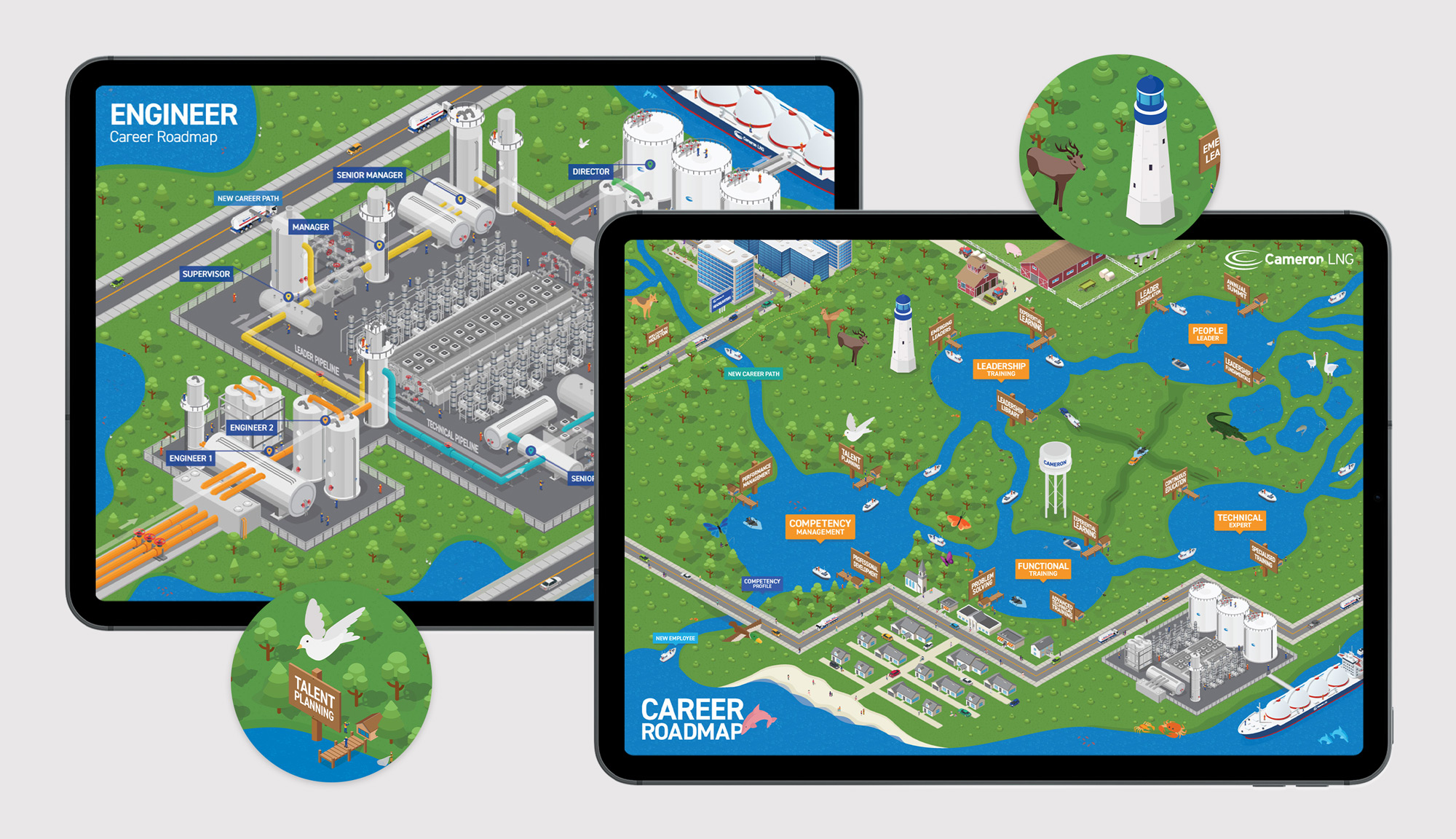
  • Side-Scrolling Landscapes: Move away from standard vertical scrolling. Use a continuous side-scrolling design where users move a themed vehicle (like a delivery van or an airplane) across the screen. Clicking on background objects reveals compliance tips and awards points.
  • Non-Linear Loops: Design the interface so users can either progress in a straight line or buzz around different hubs in a circular, looping fashion. Incorporating digital checklists or point incentives ensures they explore every nook and cranny before moving on.
  • Focus Mode and Time Trials: Give users a Focus Mode button that strips away all UI elements and distractions so they can zero in on core content. Pair this with short time trial quizzes to inject a little adrenaline and quick decision-making into the assessment.


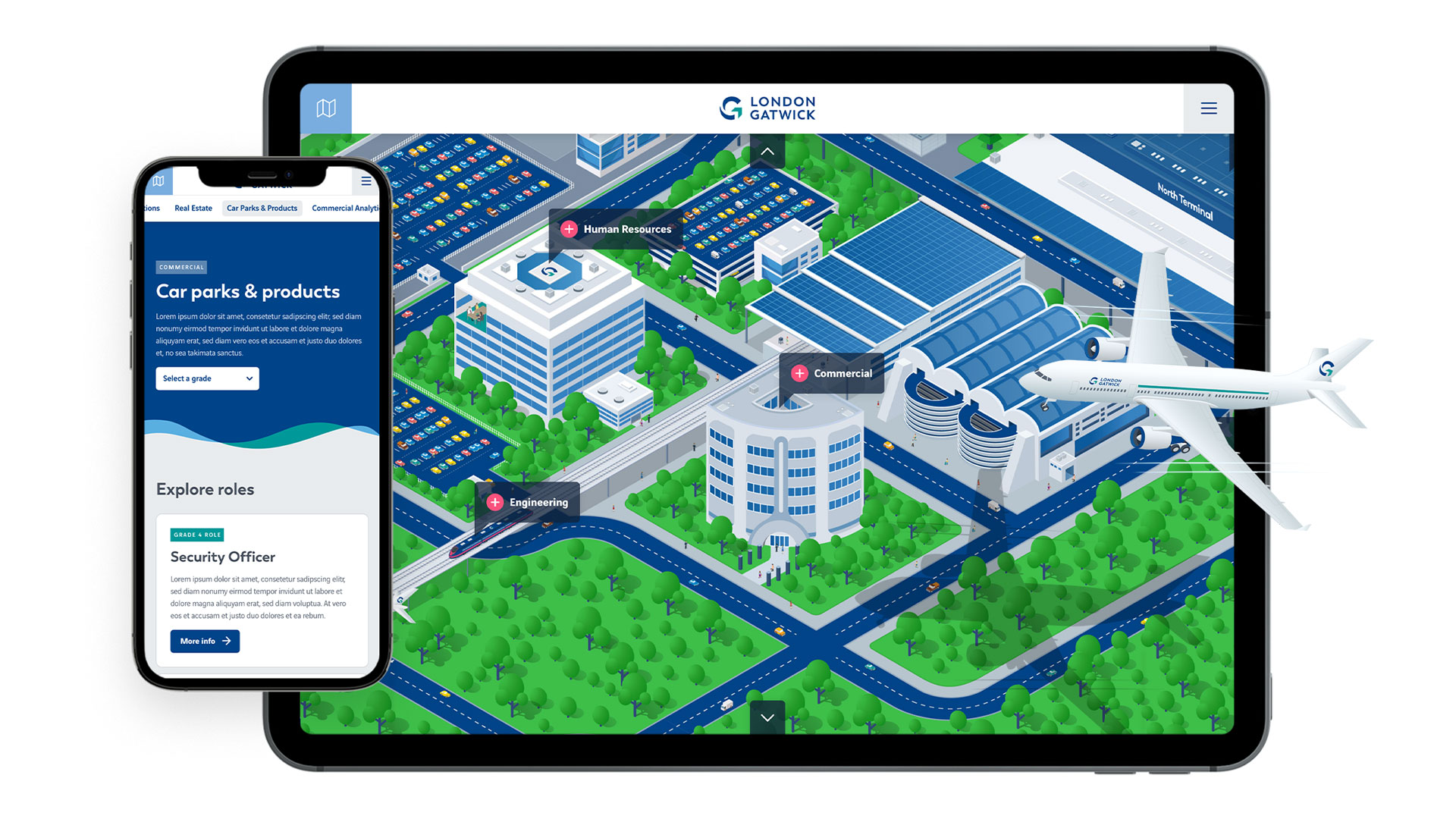
When partnering with Gatwick Airport, we designed an interactive map that visualises the full scale of available career pathways – giving users a dynamic way to explore opportunities.

Read the Gatwick case study here

4. Rally the team

Compliance is usually a lonely, individual task. Introducing a social element builds shared responsibility.

What it is: Bringing team dynamics, shared goals, and collaborative problem-solving into the learning environment instantly shifts the pressure from individual dread to group problem-solving, boosting motivation through peer connection.

For example:

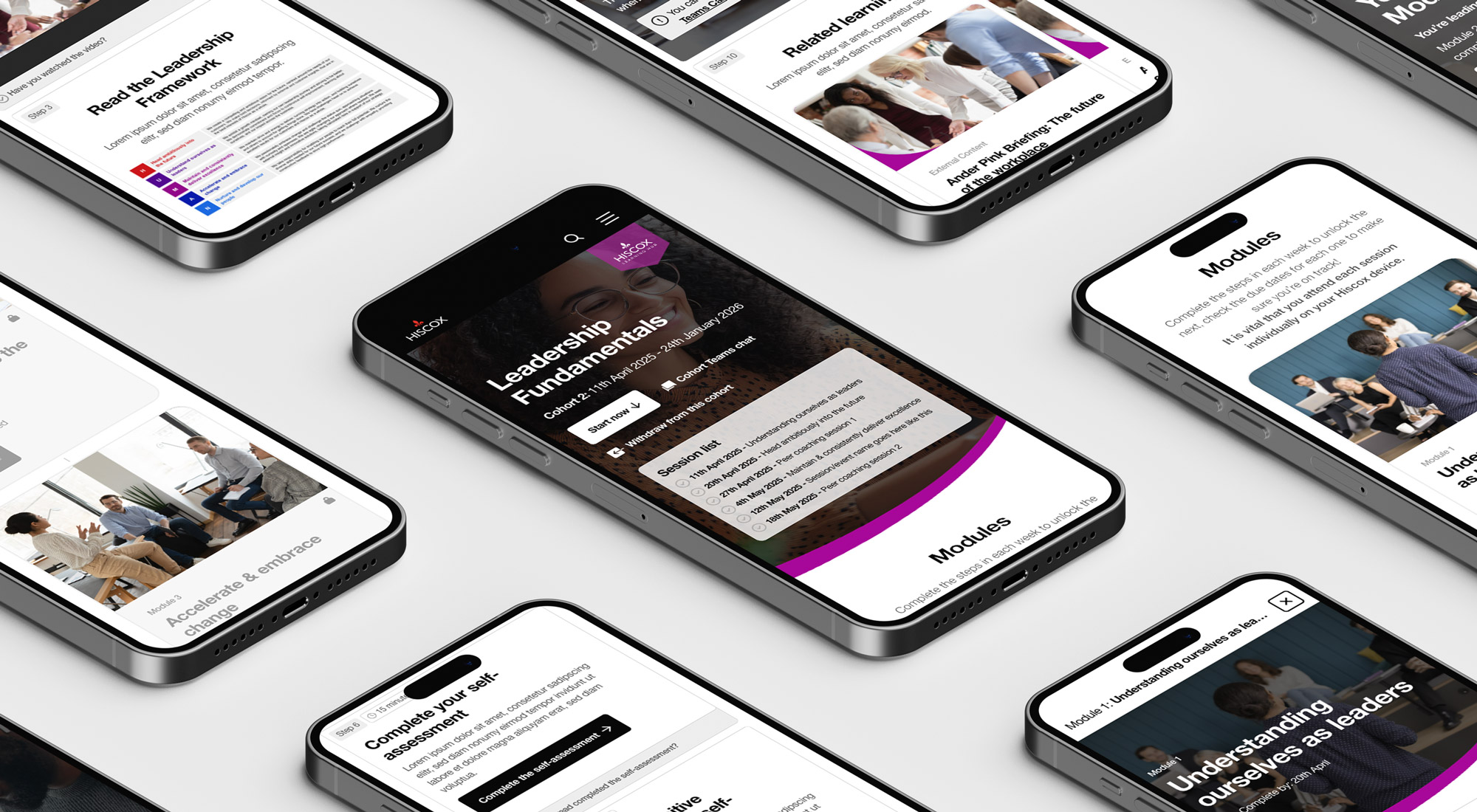
  • Chain Learning: Create a workflow where one team member completing their compliance module unlocks the next module for their colleague. This builds team momentum, though it should always include ‘skip passes’ or question-swapping safeguards so nobody feels stuck or publicly blamed.
  • Co-op Puzzles: Send different fragments of a clue to different team members via automated notifications. They must jump onto a quick call or chat thread to piece their clues together, solve the puzzle, and unlock the next tier of training.

5. Reward people

If you want people to keep coming back to learning, you need to offer something that triggers a sense of achievement.

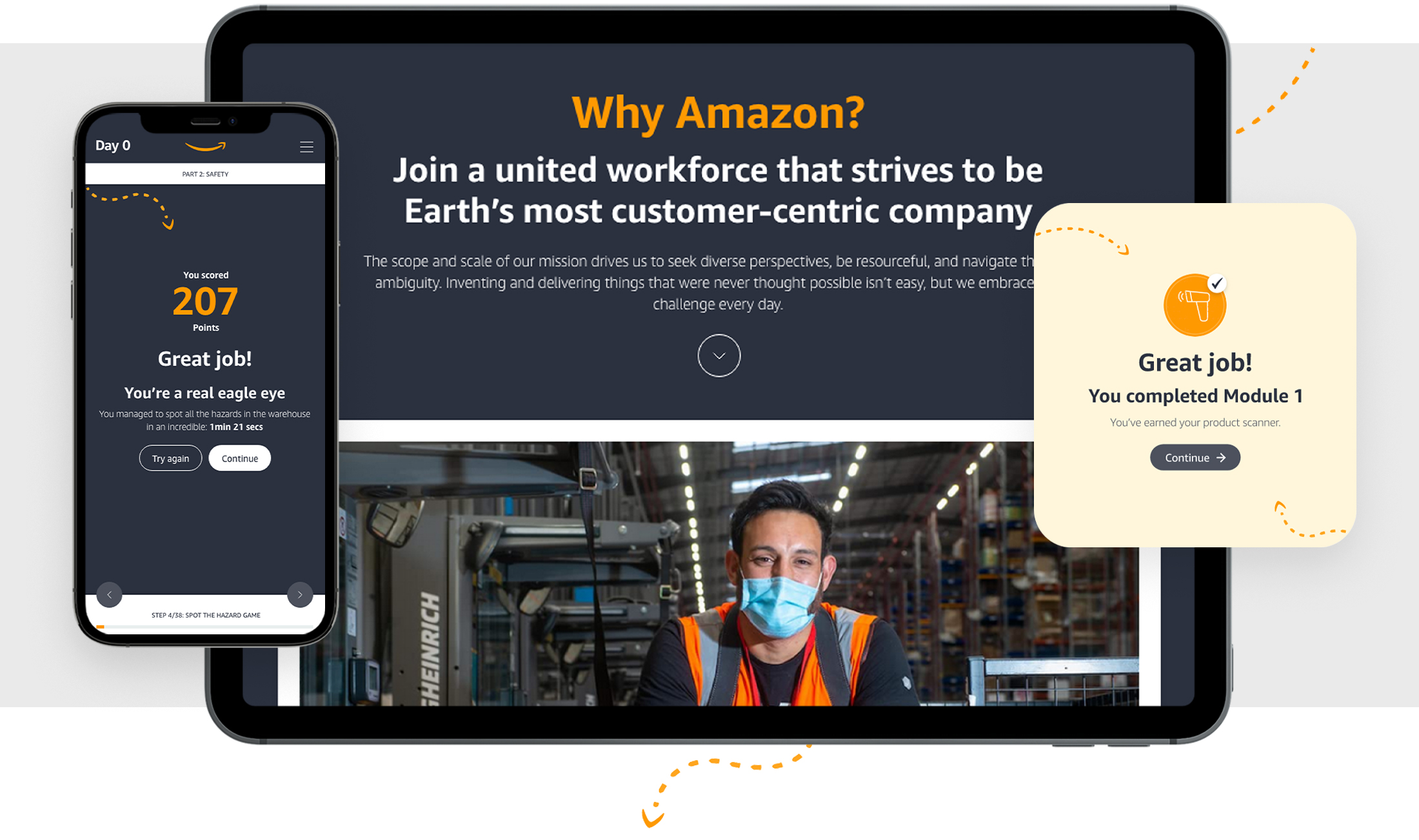
What it is: This concept taps into our natural psychological desires for achievement, collection and friendly competition. Instead of a basic percentage complete bar, it utilises tangible visual rewards, dopamine-boosting progression milestones, and quick gameplay mechanics.

For example:

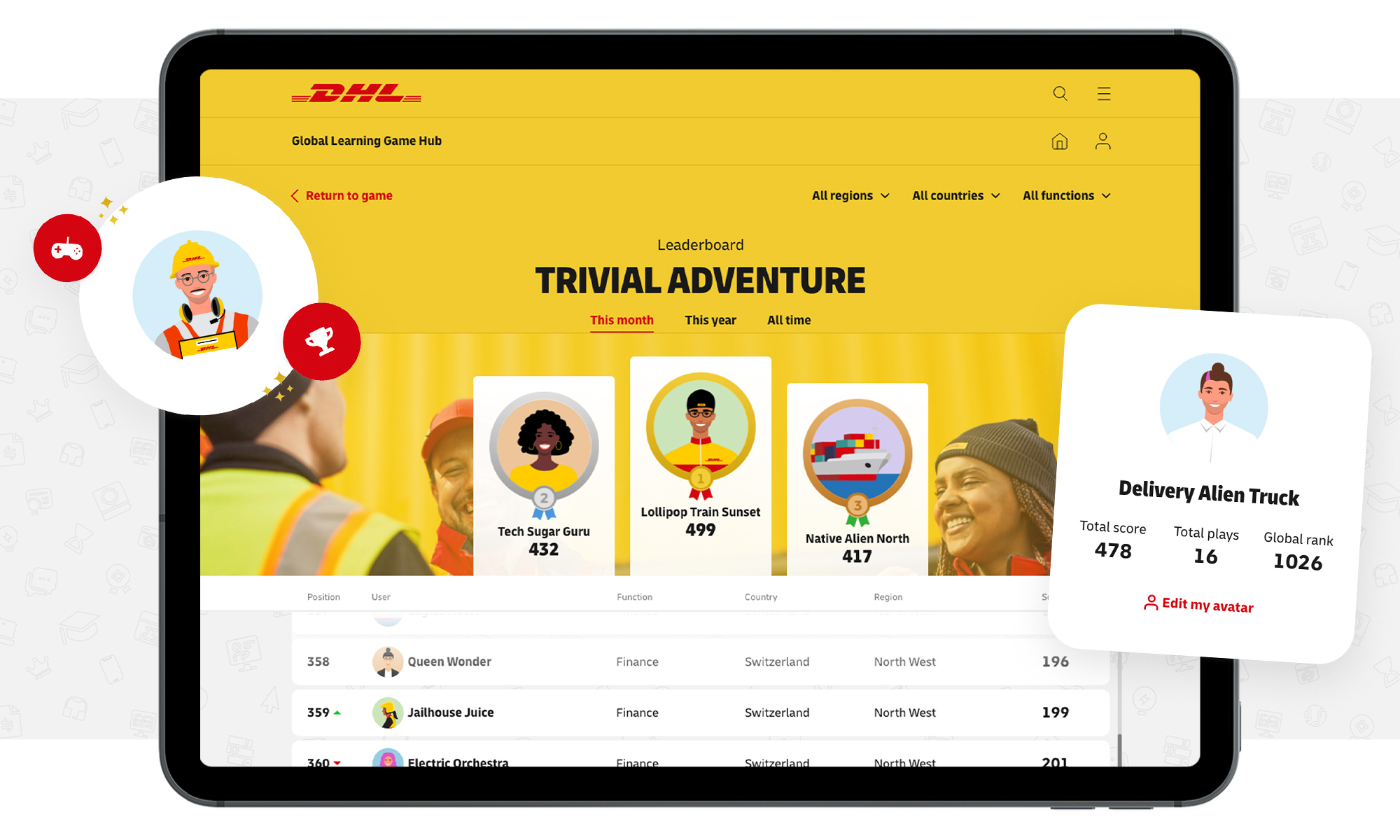
  • Building Complex Objects: Rather than just checking a box, let users earn a visual piece of a complex object for every module completed. For example, passing a safety module might let them add a component to a virtual airplane or build a digital structure.
  • Compliance Top Trumps or Card Battlers: Turn safety hazards into a digital card game. Cards representing real scenarios, like a wet aisle floor or a cyber breach, can be rated by severity and likelihood. Employees can challenge colleagues to quick digital matches, climbing a company leaderboard while reading bite-sized compliance tips printed on each card. You can even introduce rare shiny versions of cards to tap into people’s inner collectors.
  • Algorithm-Driven Short Video: Think ‘TikTok for compliance’. Use short, punchy, vertically-formatted videos to deliver rules and regulations. By mapping these to a smart feed based on the employee’s specific role, they get micro-learning moments tailored exactly to what they need to know.

In short

The secret to effective compliance training isn’t adding more mandatory reading, it’s changing how that reading is digested. By injecting a bit of mystery, friendly competition, and immersive UI design, you can take the dread out of compliance and replace it with genuine engagement.

Want to know more? We’d love to talk through some more ideas with you and see how we can help you level up your workplace learning.

Let's talk