When organisations recognise an upcoming skills gap, the default reaction is often a blanket learning rollout. Typically pushing entire departments through broad, multi-hour upskilling programs. The impact on daily productivity is instant. Teams pull back from their work to sit through generic modules, covering concepts they’ve already mastered or learning niche tools they’ll never actually use in their day-to-day roles.
To build future skills without losing today’s output, L&D leaders must abandon the broad-brush approach in favour of precision. That shift begins with a diagnostic skills assessment.
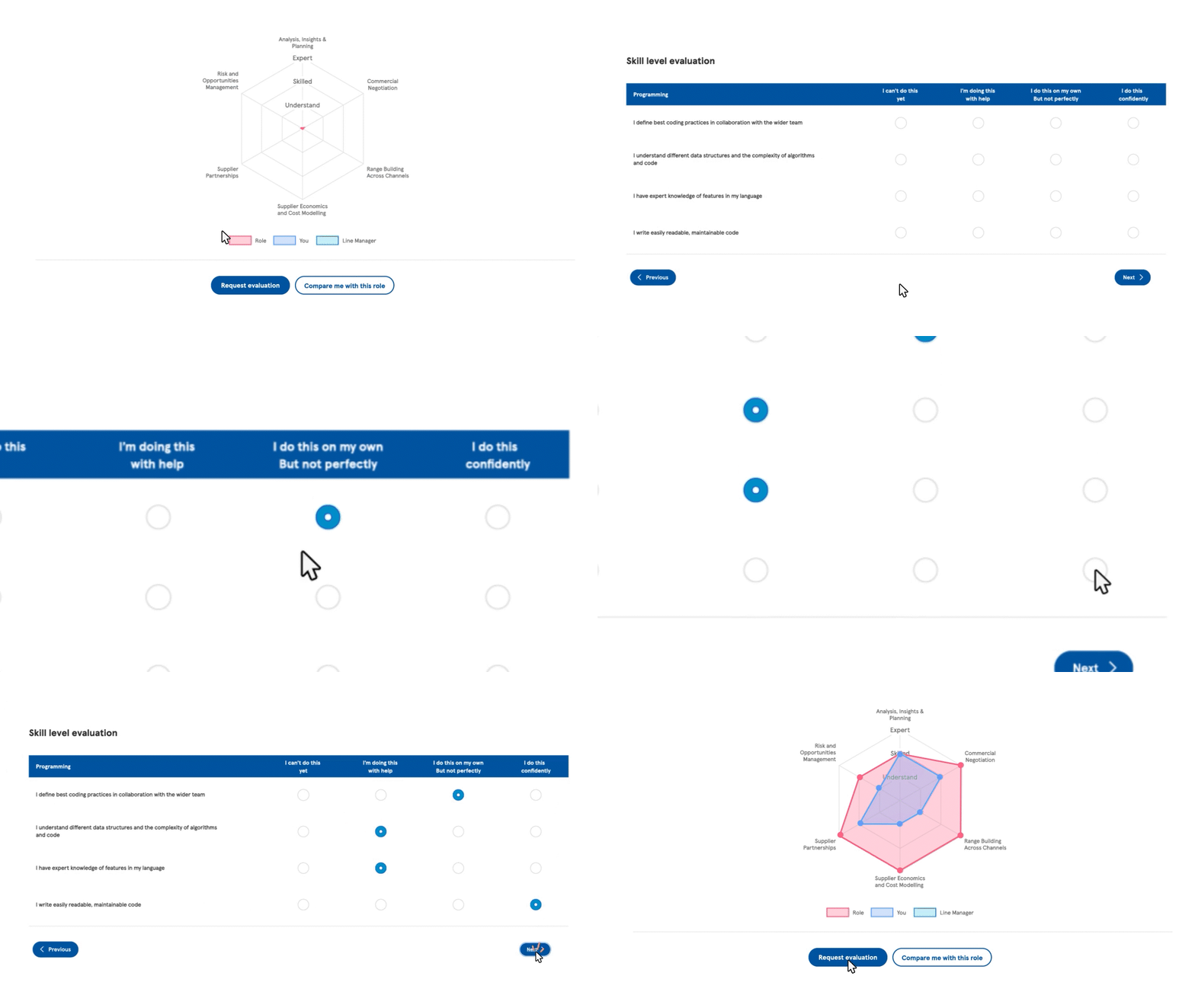
Instead of assuming what a department needs, self-assessment and visual skills-mapping tools act as a real-time triage.
When an employee evaluates their current proficiency against future requirements, intuitive digital tools immediately strip away the noise. Rather than forcing someone into a long introductory track, the system identifies the precise area of the curriculum they actually lack. It directs them straight to the appropriate learning, bypassing redundant content and returning them to their primary work tasks in record time.
This targeted system turns skills building from a disruptive event into an efficient, low-friction habit.
By embedding diagnostic tools into your learning ecosystem, you resolve the tension between short-term output and long-term capability:
A matrix on a spreadsheet won’t solve the productivity equation. If a skills assessment tool feels like an administrative chore, employees will rush through it or ignore it entirely, leaving you with little data and uninspired teams.
HR tools should be built like consumer products, engaging, fast, and visual.
At Electric Circus, we’ve designed bespoke career mapping and skills assessment tools for global brands including Tesco and London Gatwick Airport. By combining behavioral psychology with consumer-grade UX design, we turn complex learning into intuitive digital experiences that employees actually want to explore.
The outcome is simple: organisations pinpoint exact skills gaps, building the workforce of tomorrow while keeping today’s operational engine running at full speed.
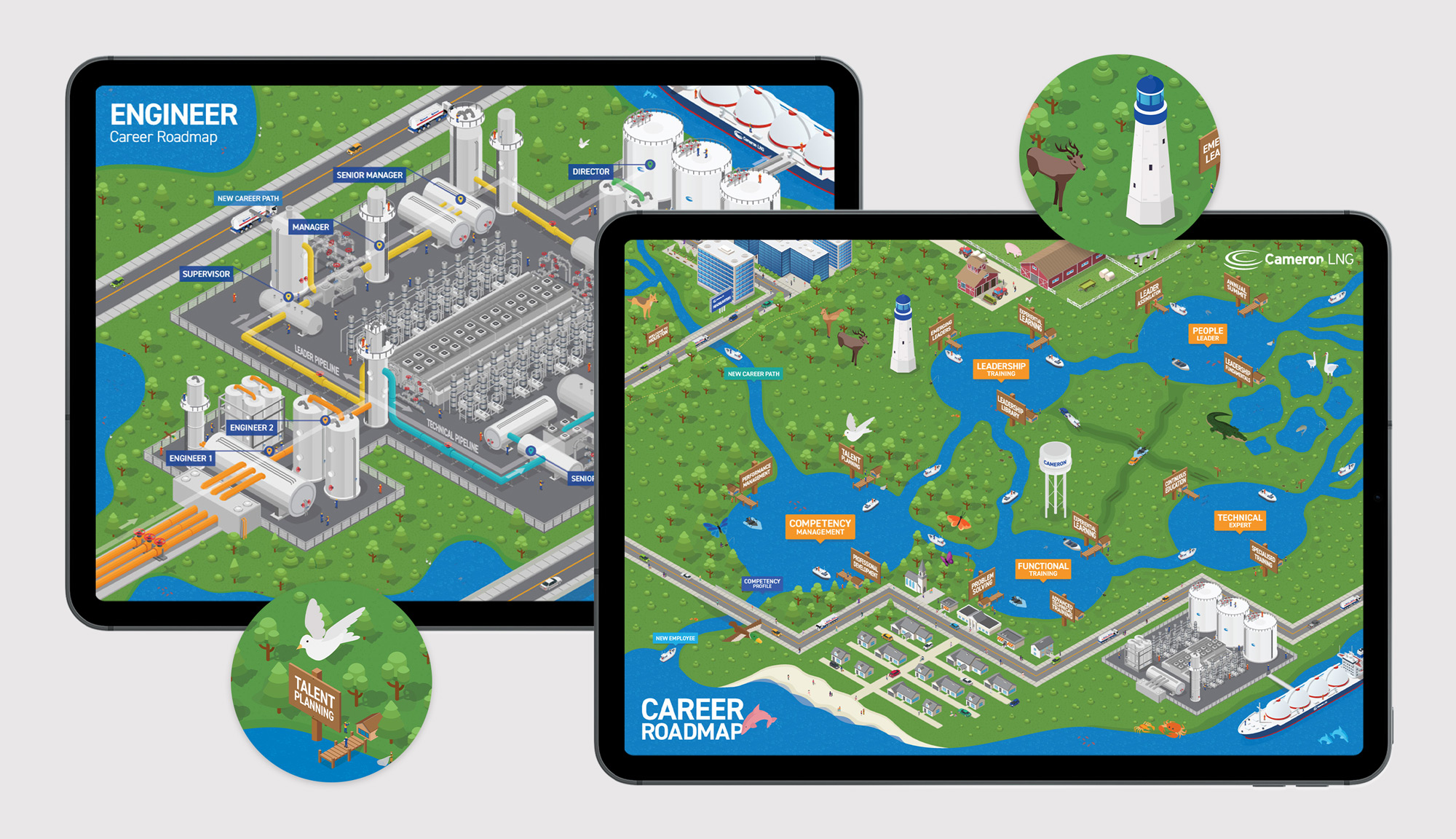
CameronLNG
LEGO
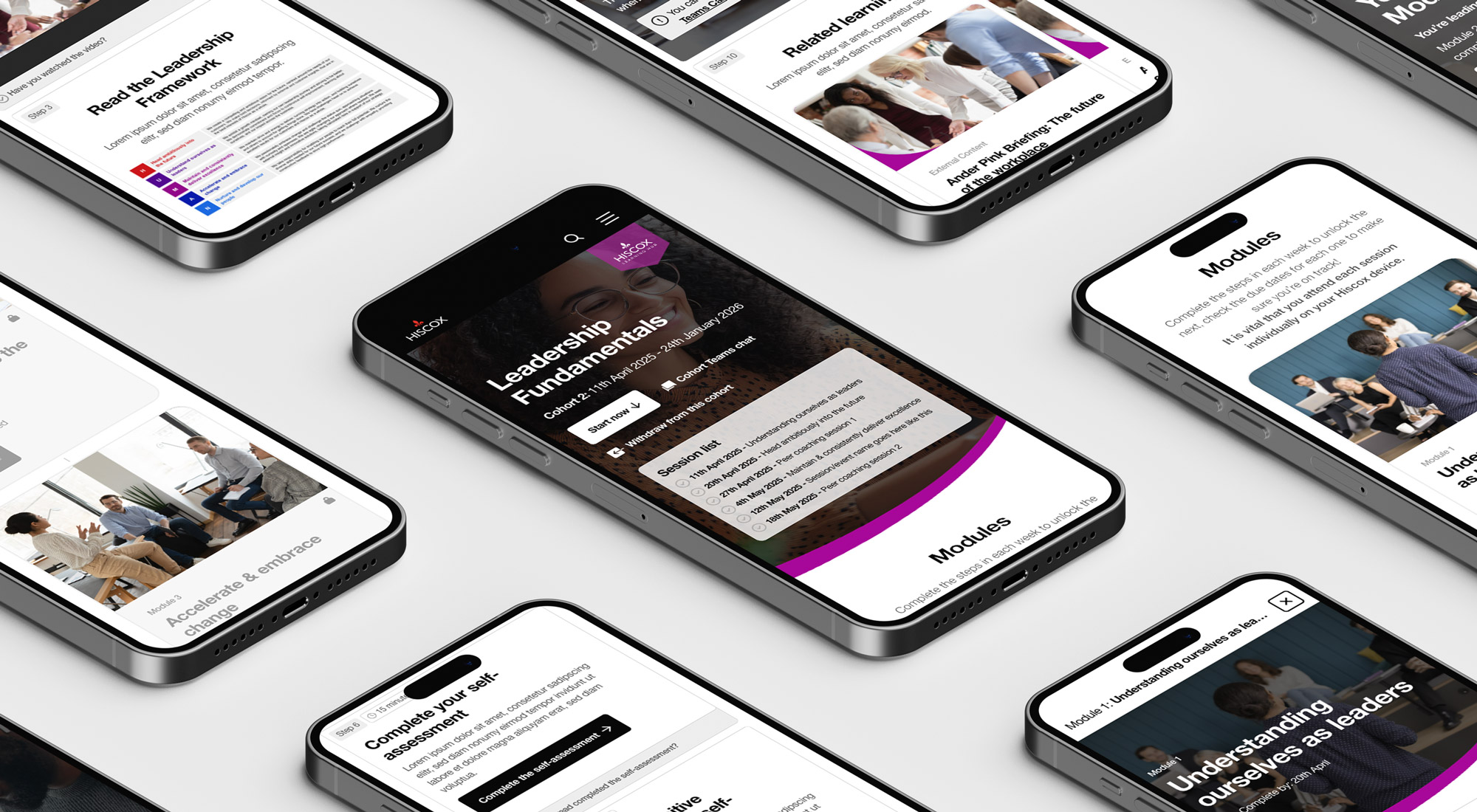
Hiscox
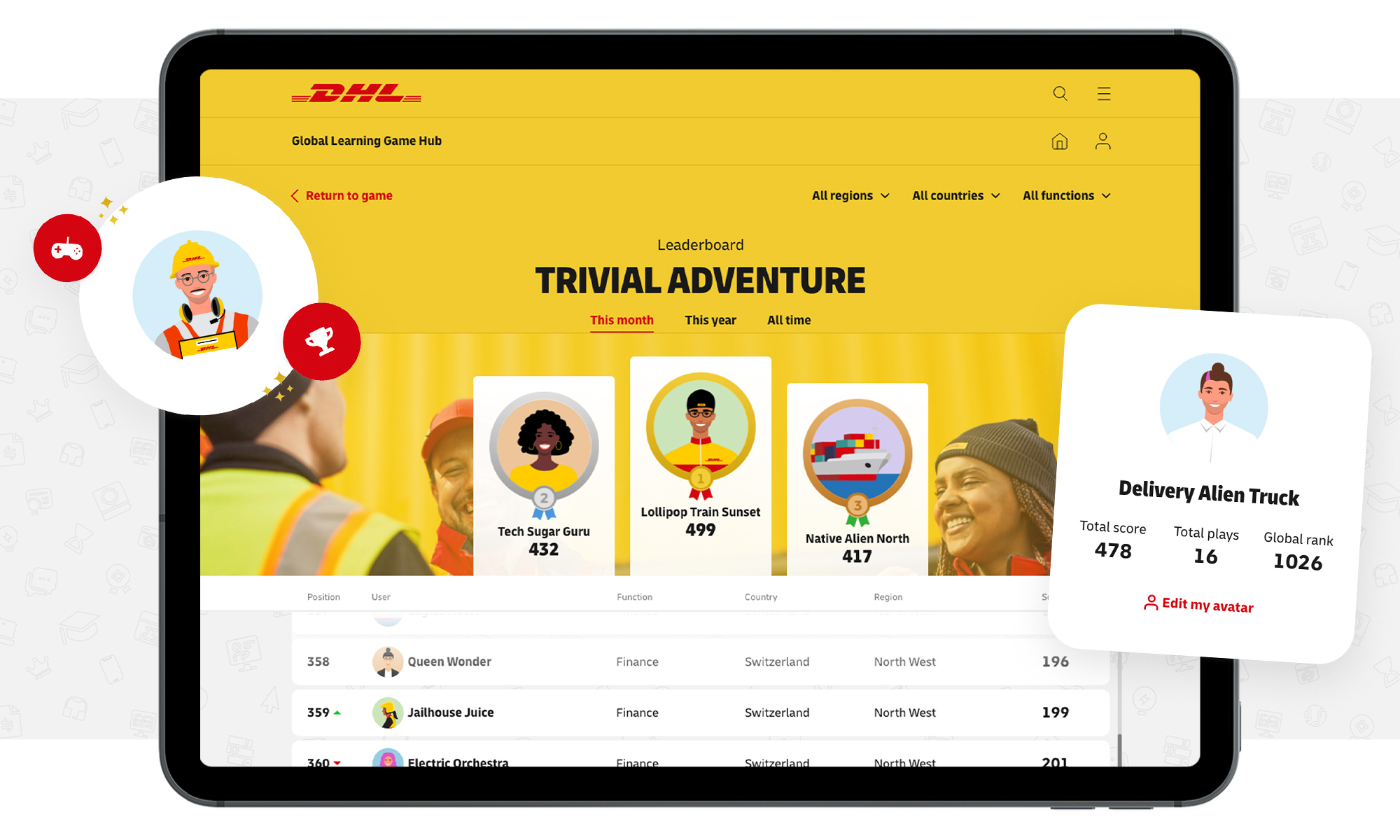
DHL
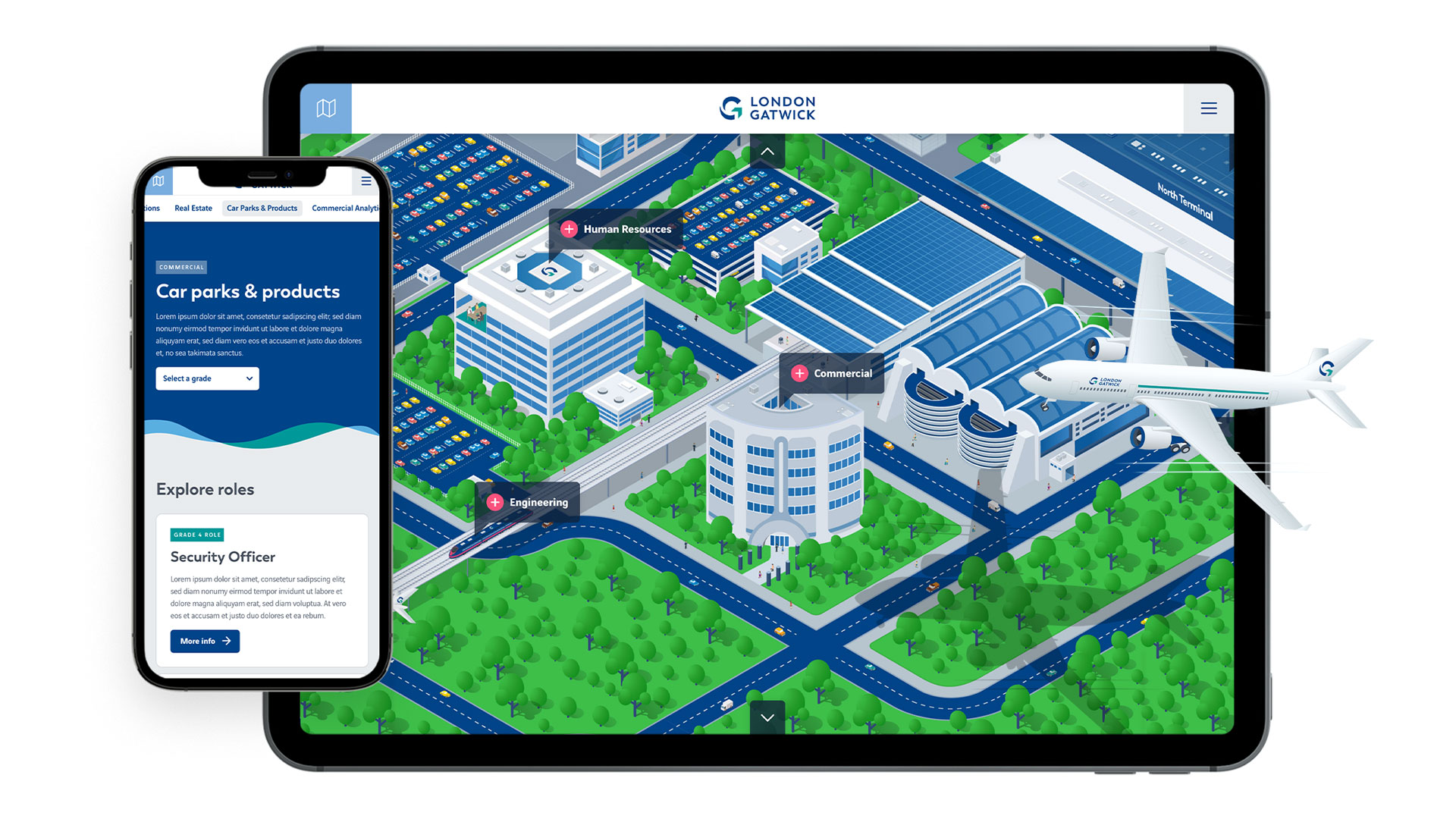
Gatwick
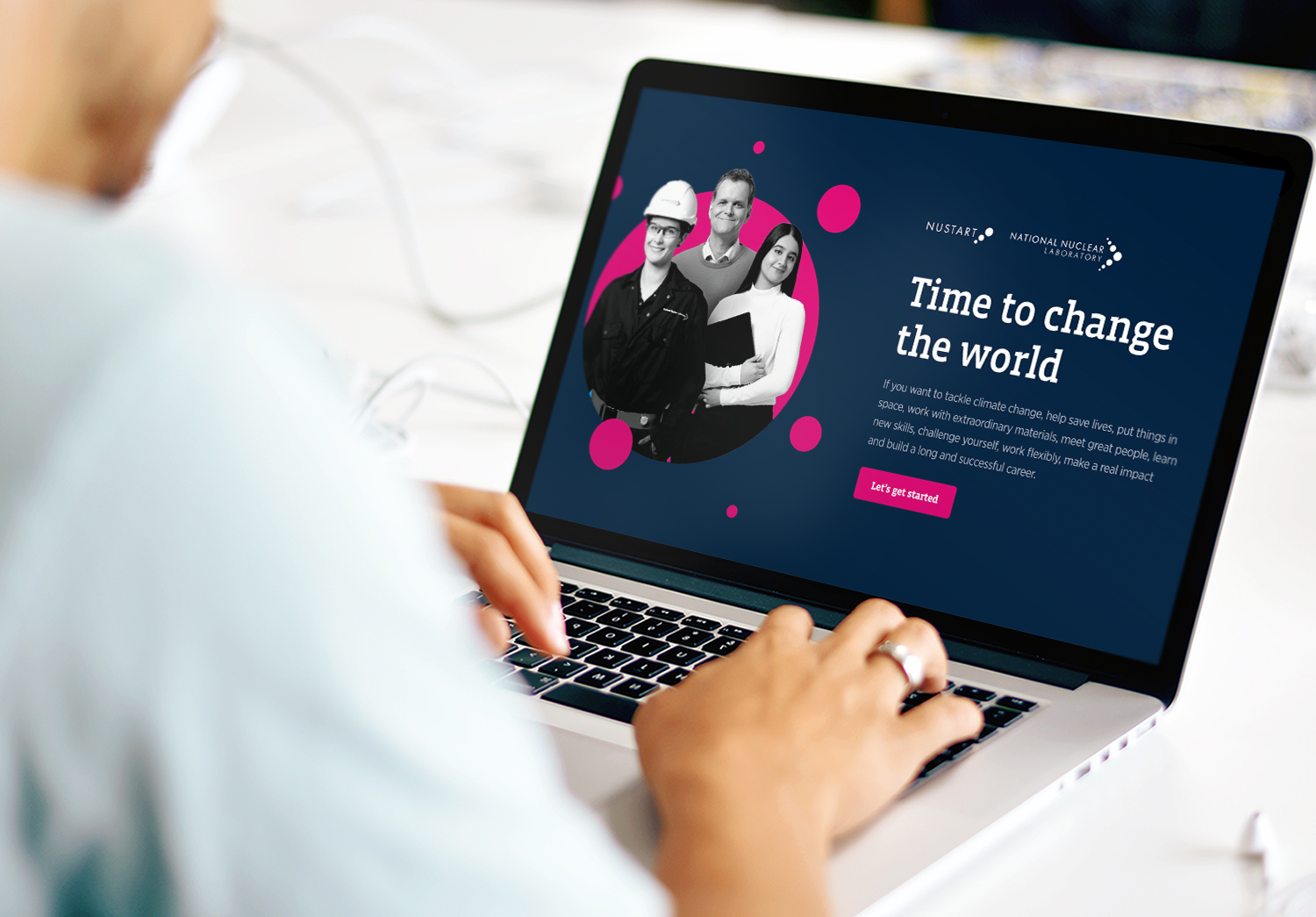
NNL
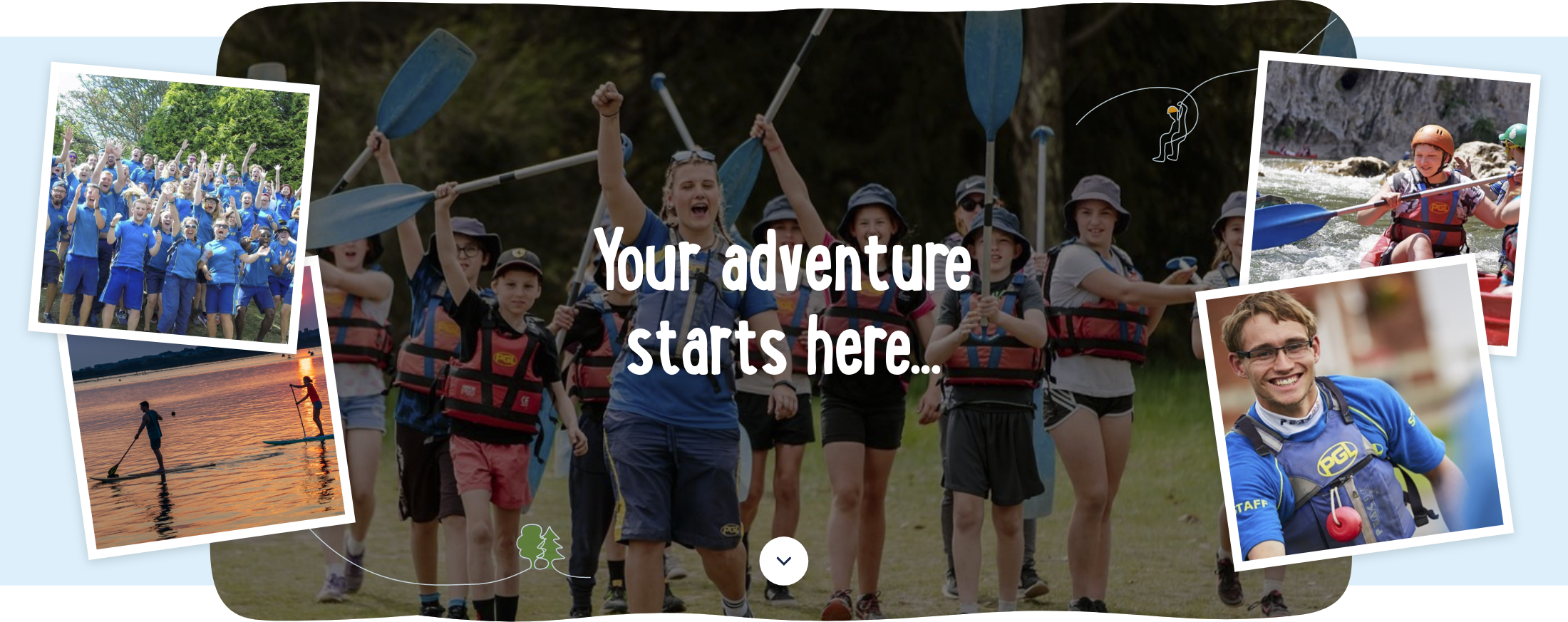
PGL
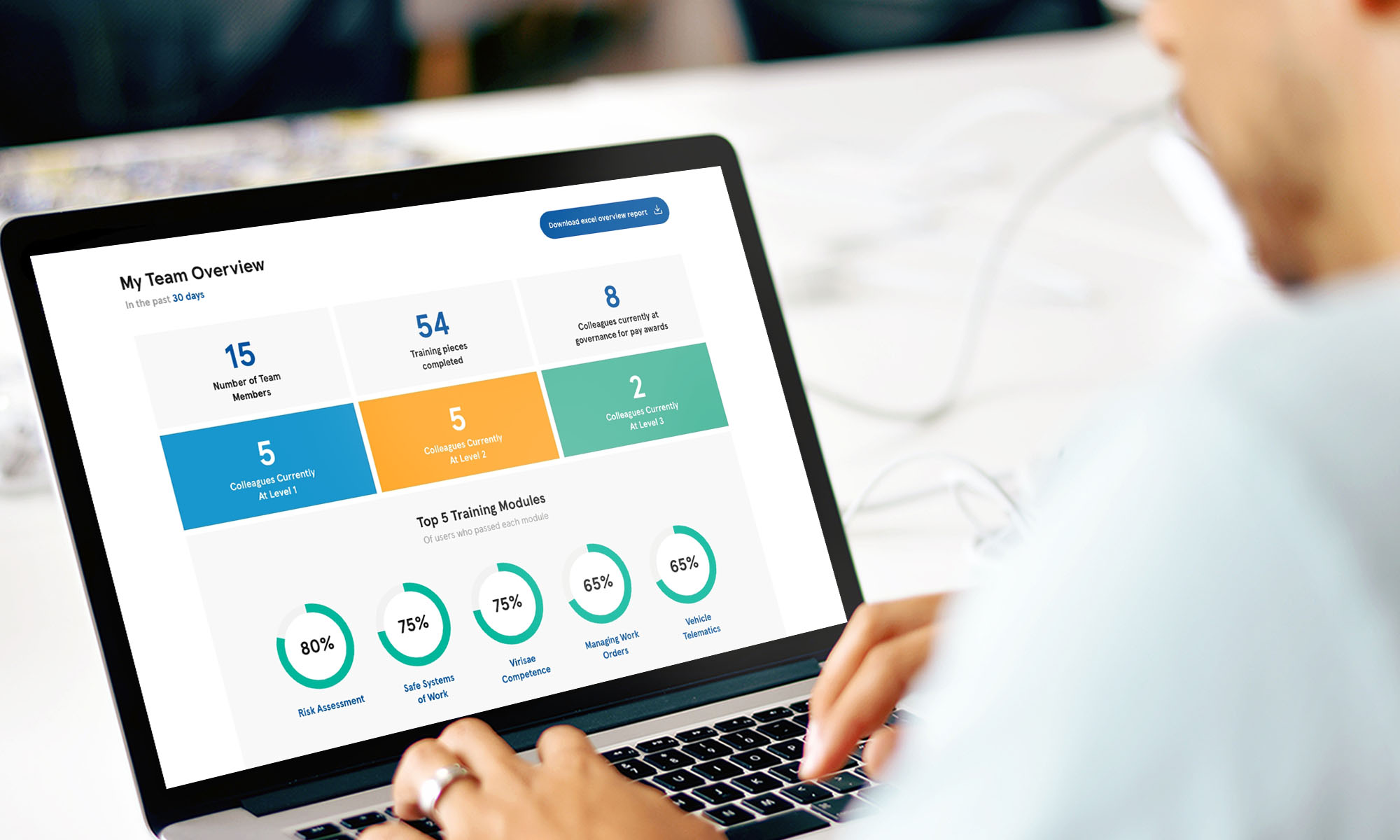
Tesco
Tesco
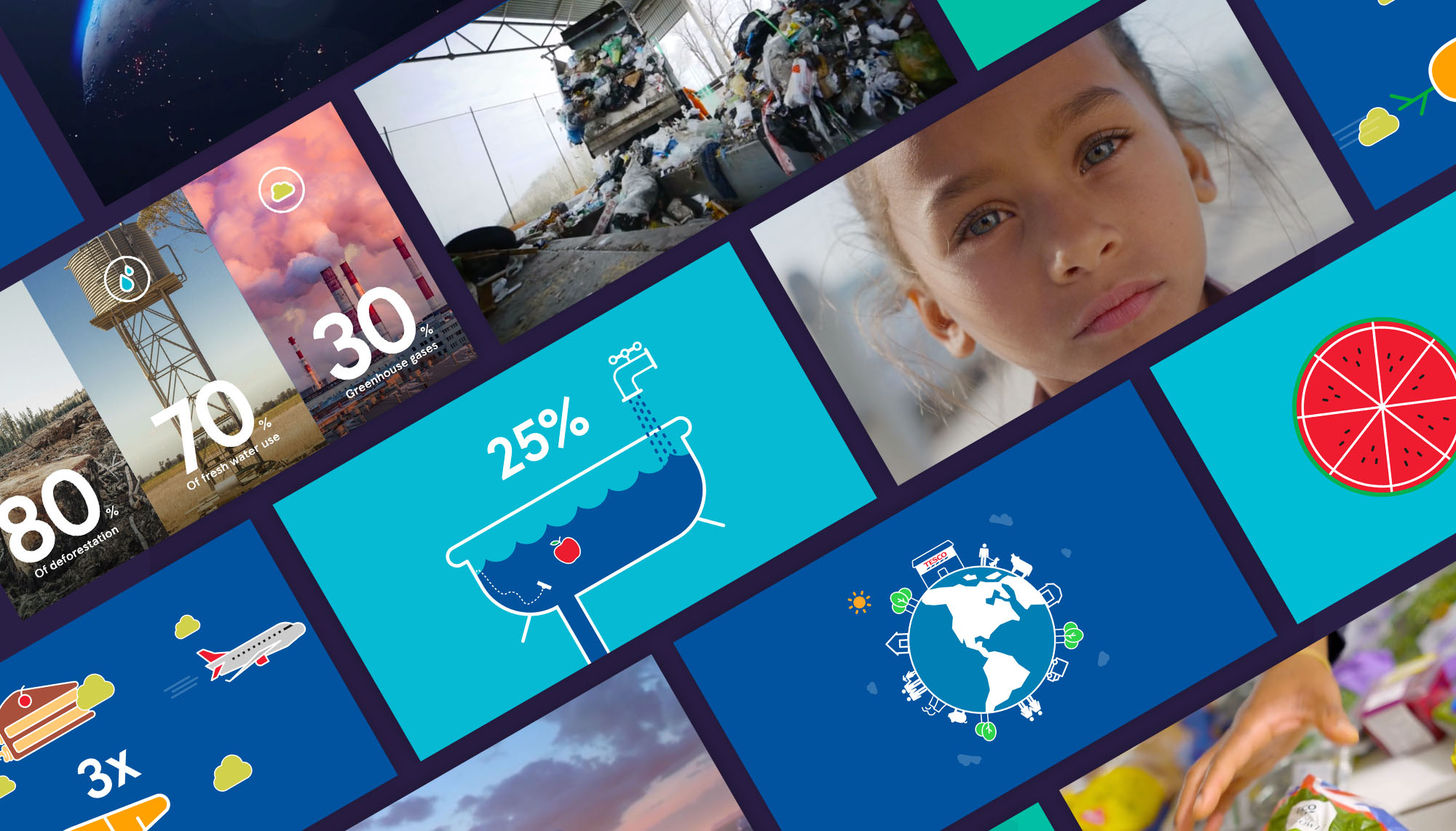
Tesco
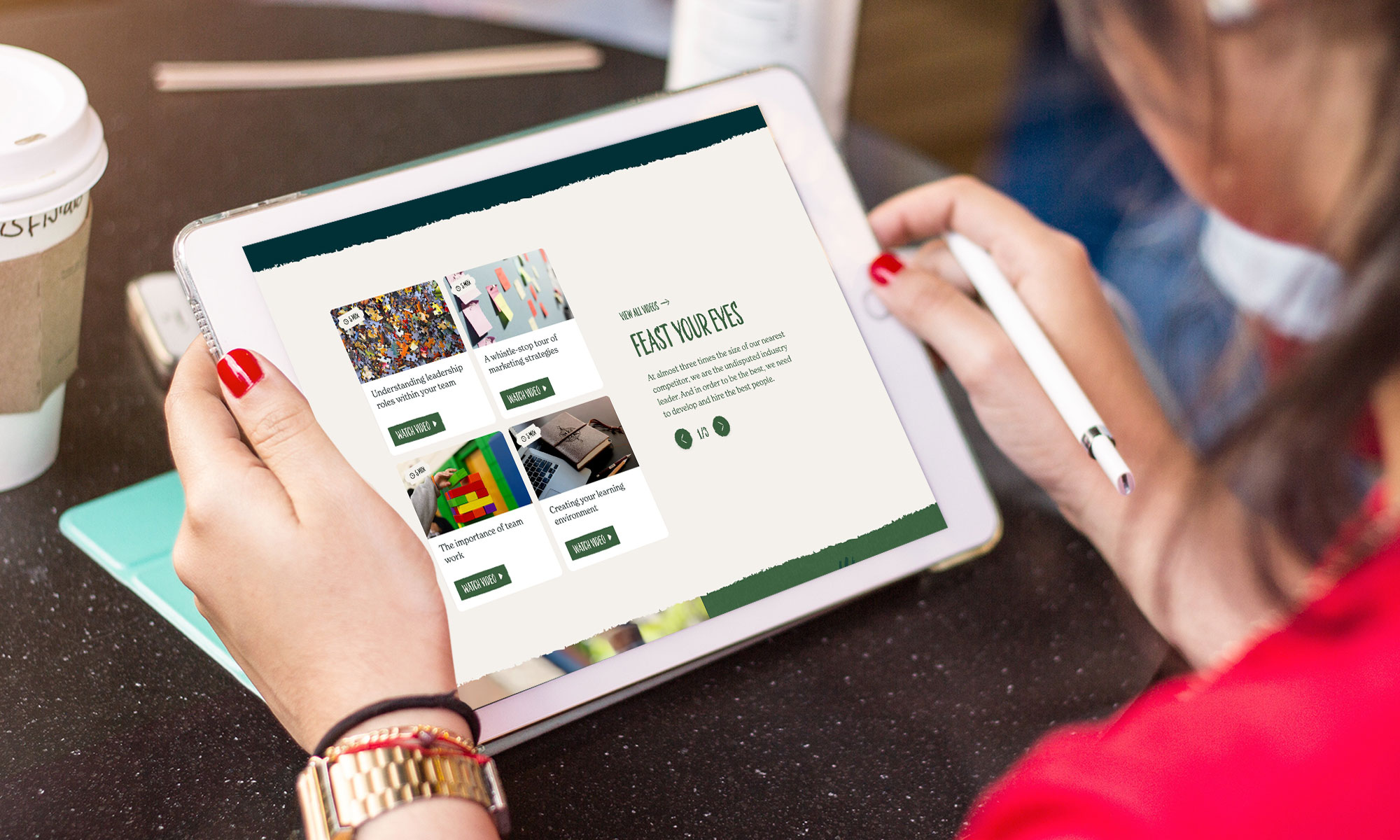
Nomad Foods

Tesco

First Bus

Cognita
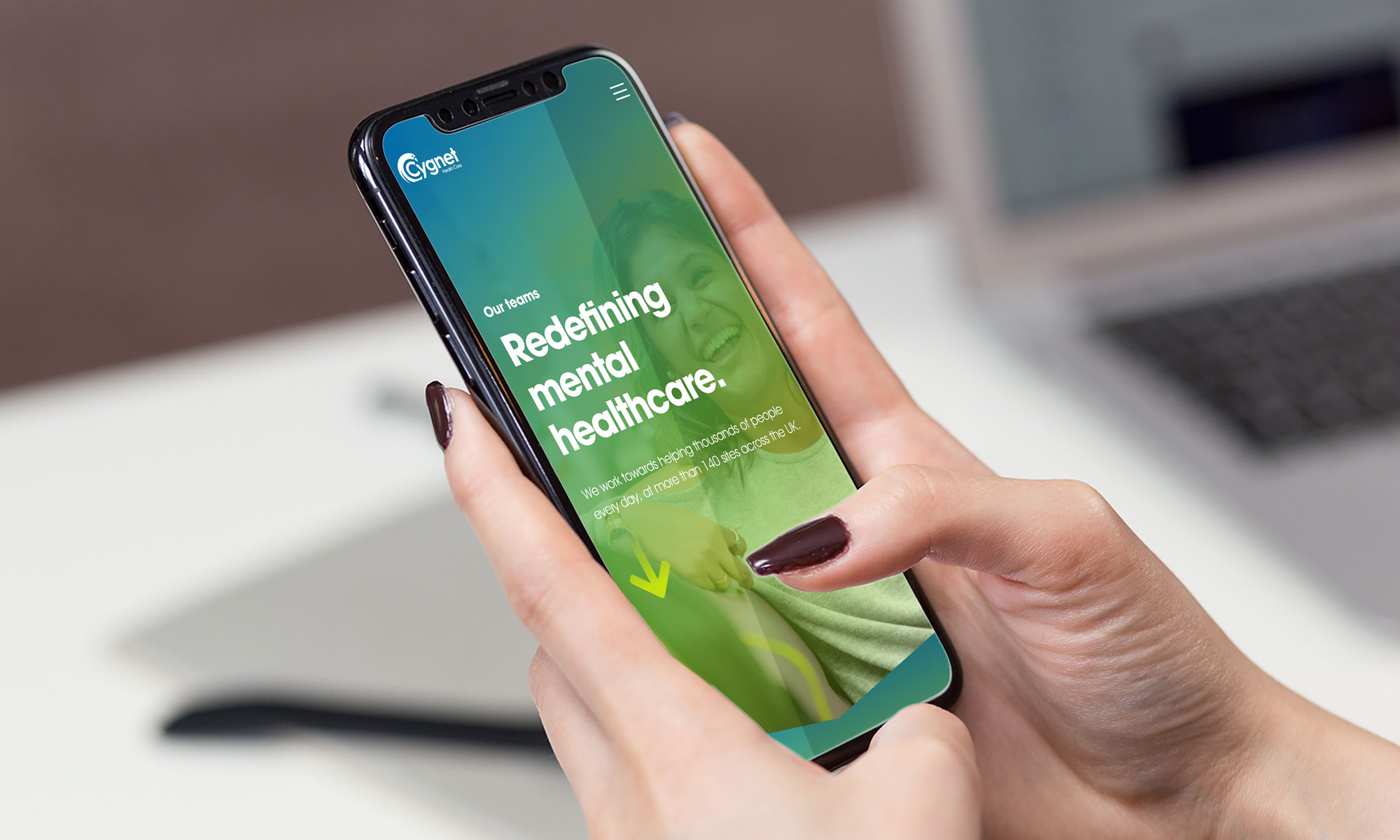
Cygnet
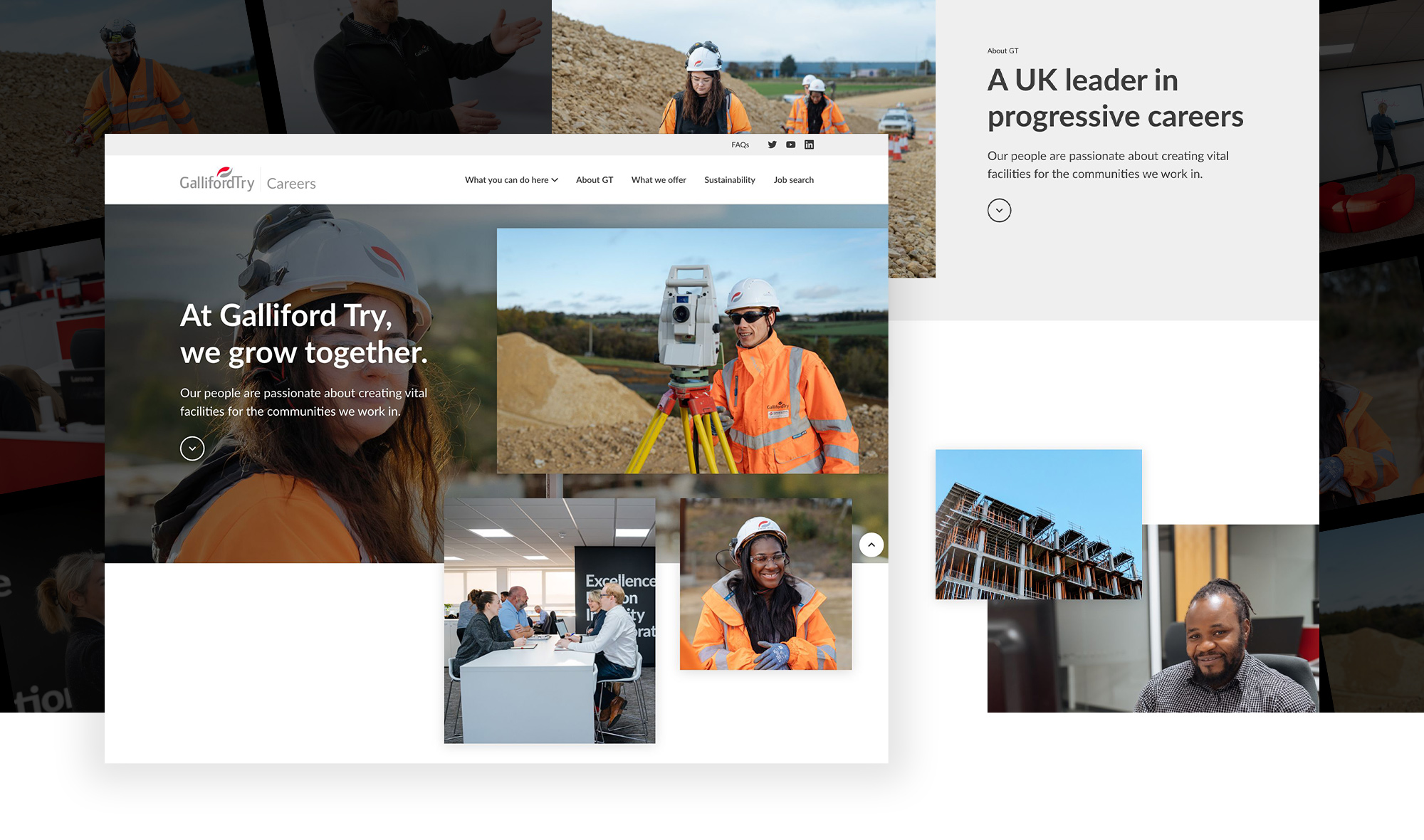
Galliford Try

LW theatres
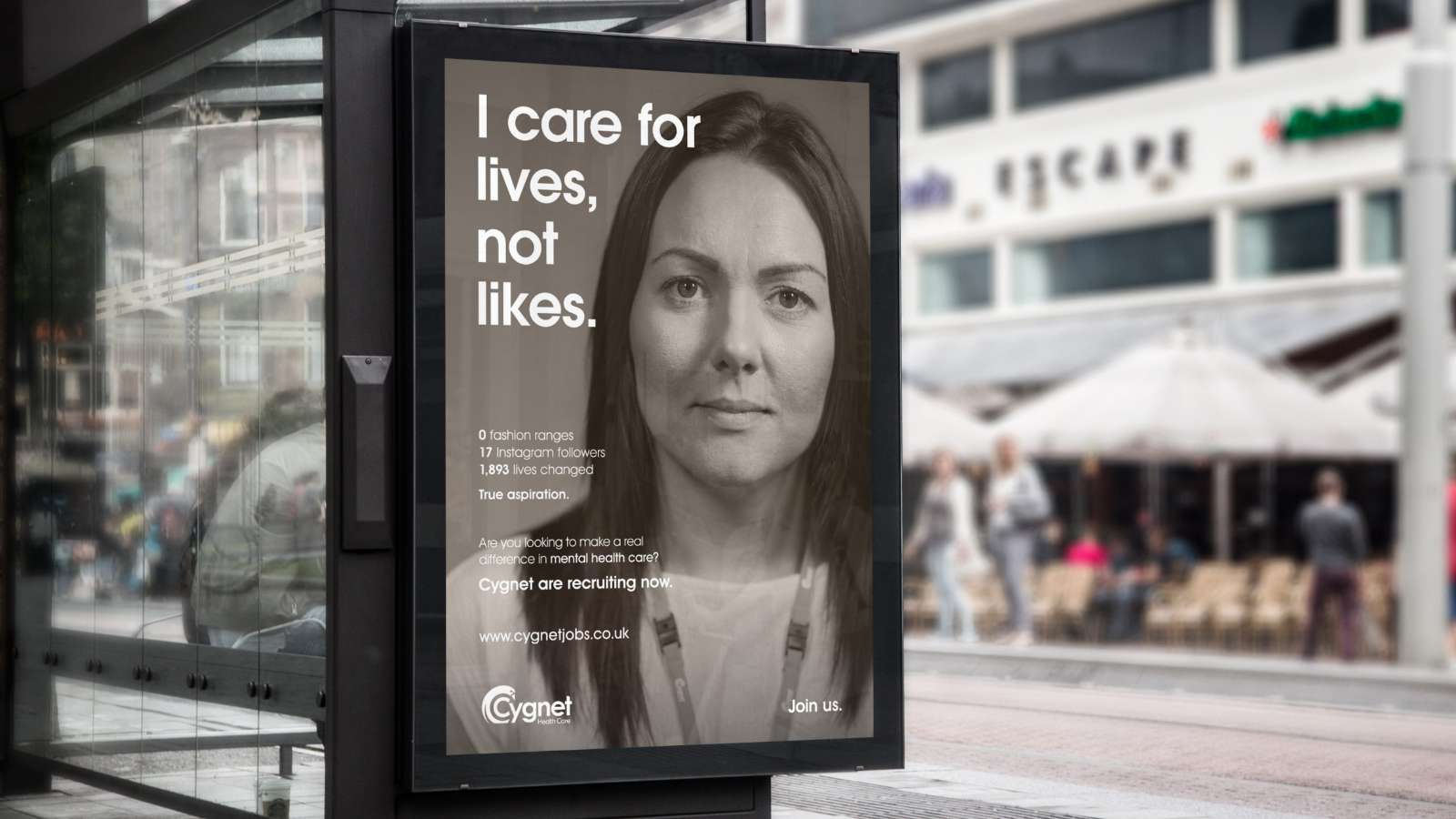
Cygnet
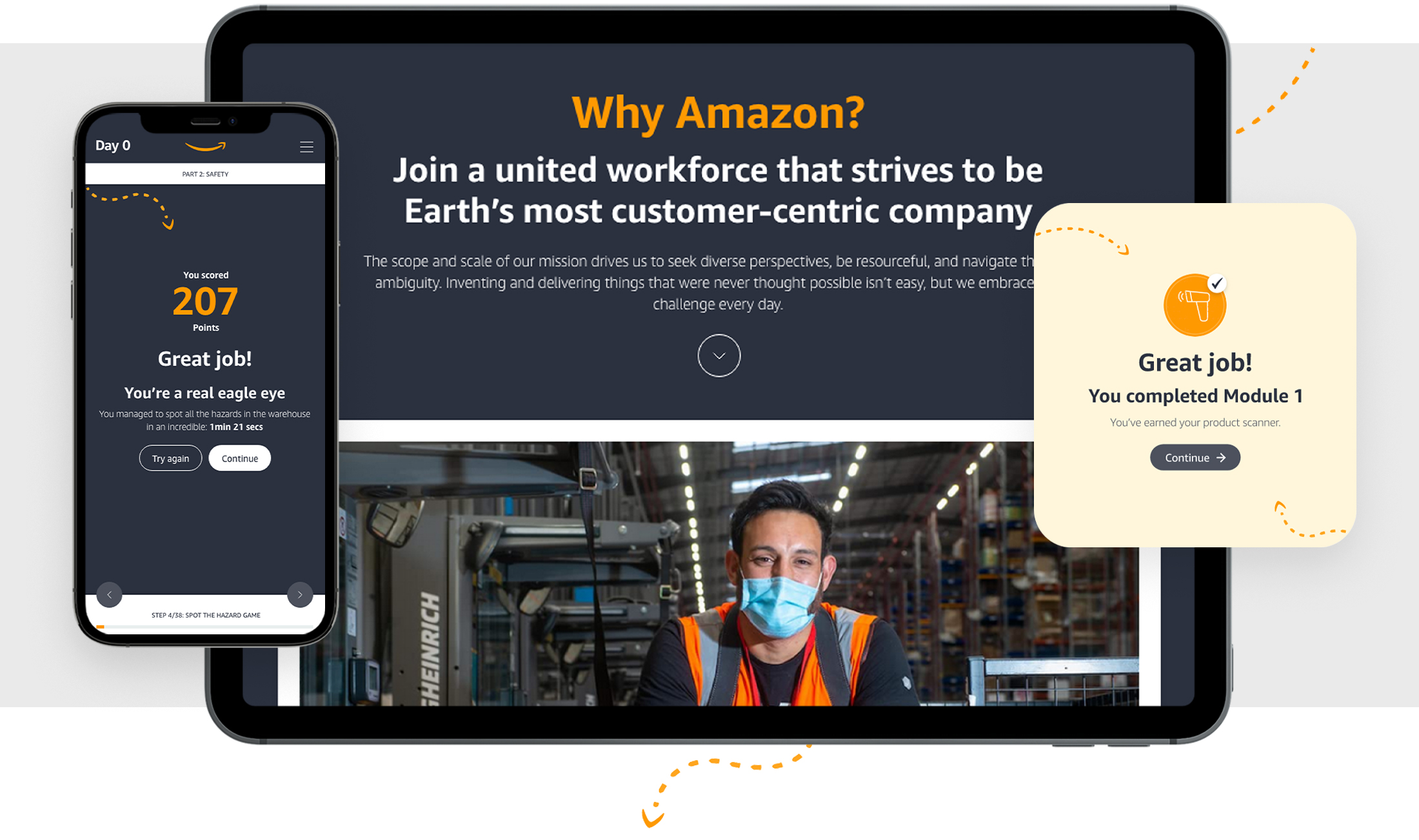
Amazon
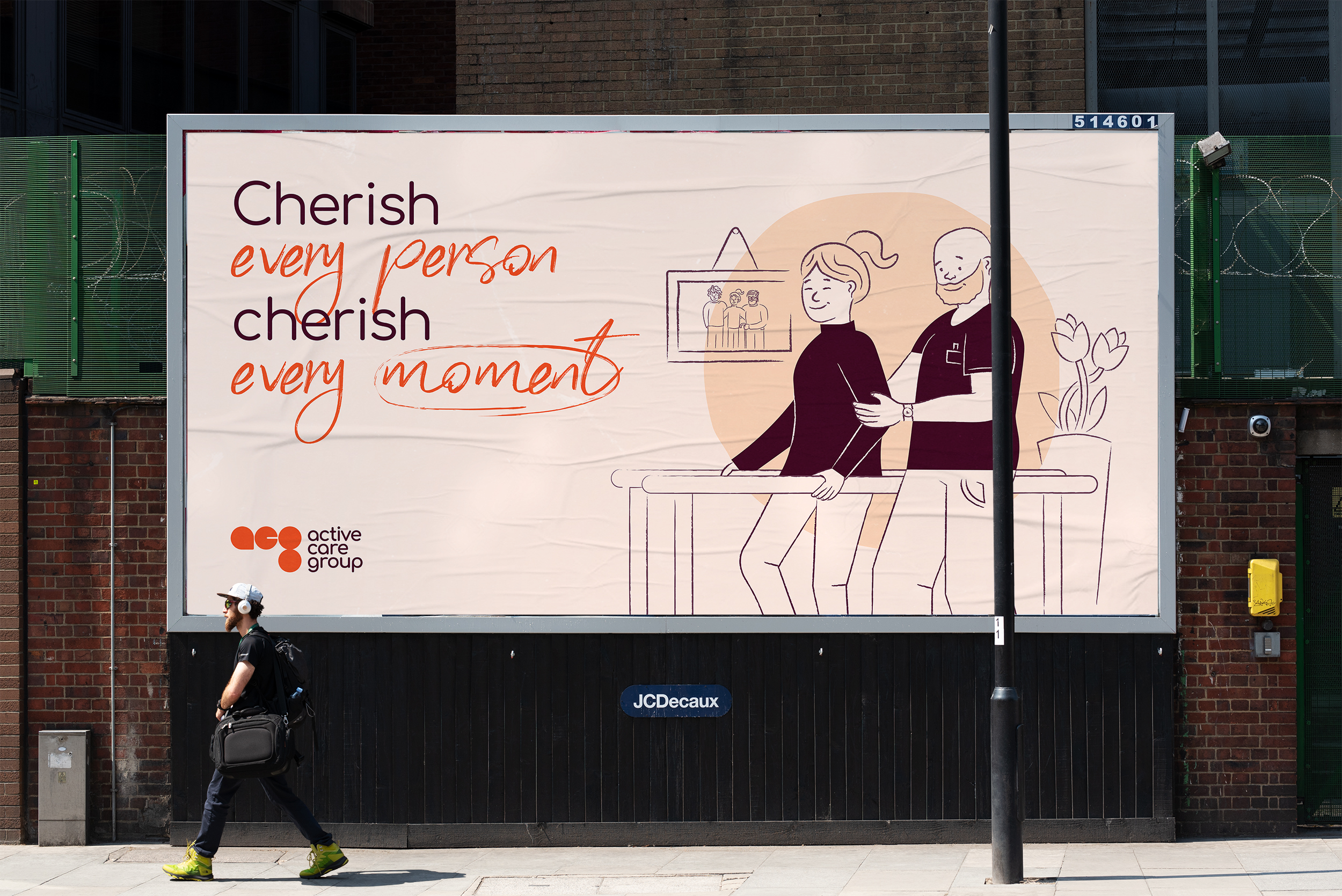
ACG

MARS
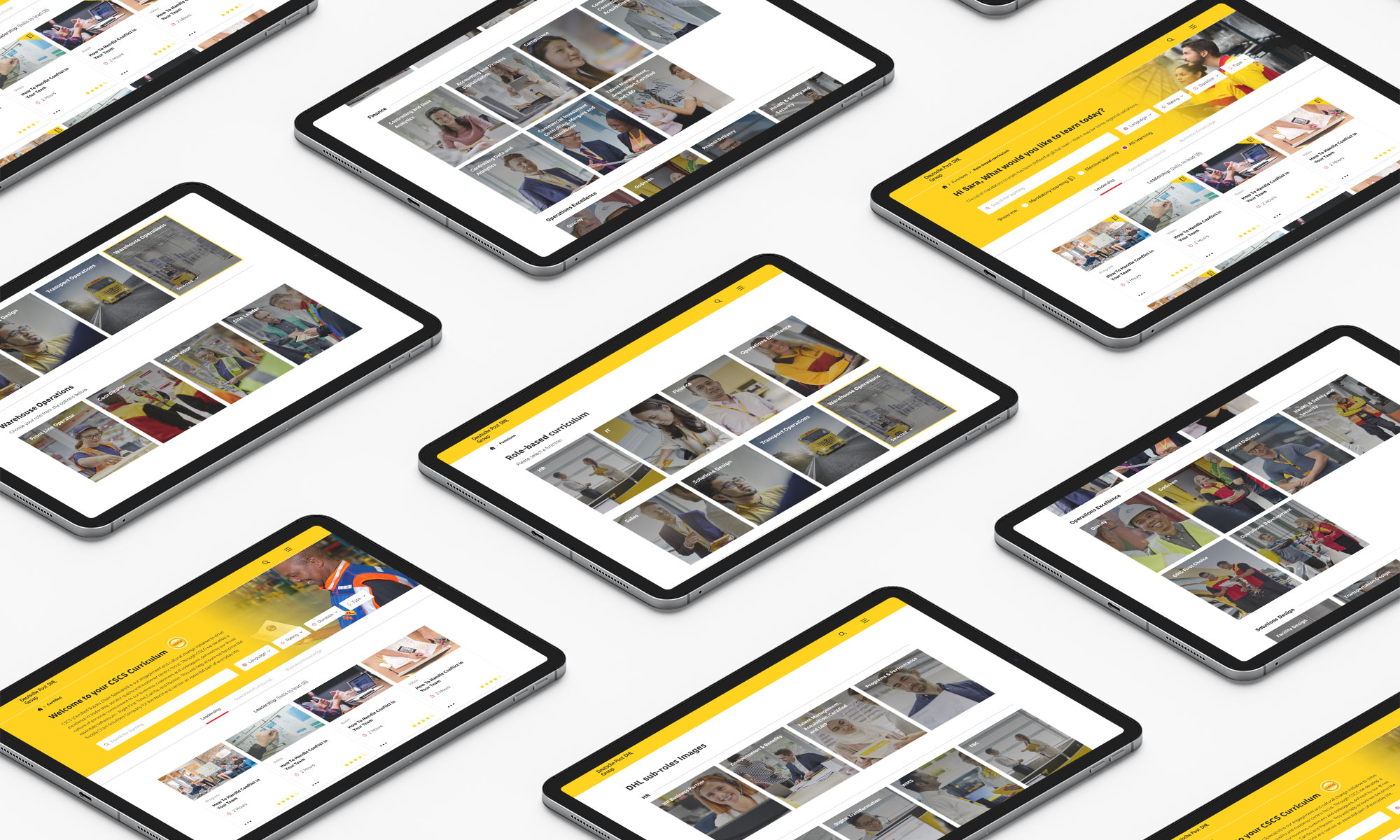
DHL
Cygnet
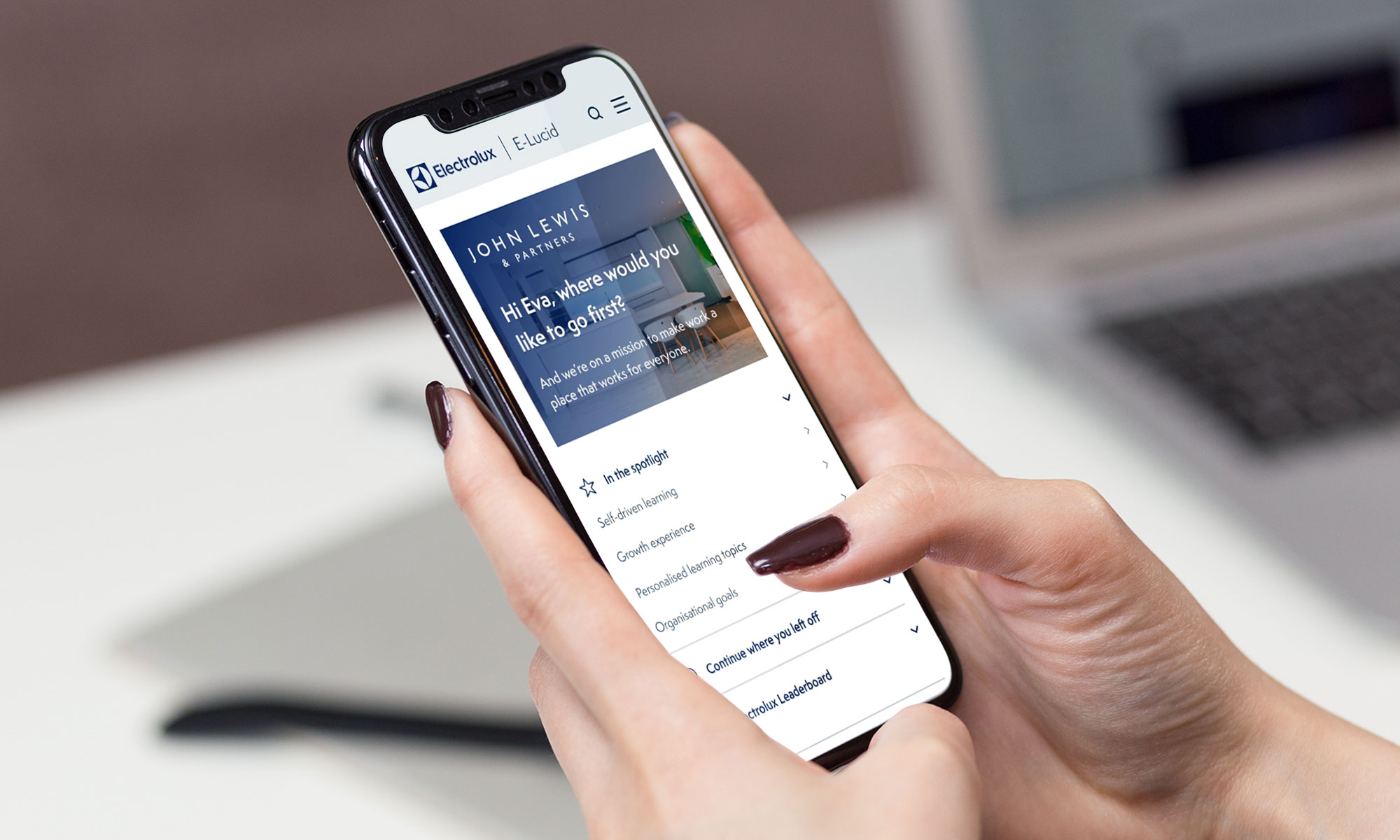
Electrolux
Vorbi