

How Should HR Leaders Use AI Tools?
Warning: Undefined variable $count in /srv/users/circus/apps/ec2022/public/wp-content/themes/electriccircus2022/universal-template/flex-banner.php on line 134

We recently ran an experiment at Electric Circus. The brief: everyone on the team had an afternoon to prototype a solution for a real HR problem using AI tools. No coding experience required, no lengthy development cycles – just identify a problem and see what AI could build.
Within a few hours, our team had created:
These weren’t sketches or wireframes – they were working prototypes addressing genuine pain points. One problem we tackled, absence management, costs a client an estimated million pounds annually. Real potential.
But as we refined these prototypes, we started hitting walls.


Leon, who built the training retention prototype, captured it perfectly: “AI kind of knows what it’s talking about, but putting it into practice doesn’t seem to do it.” He’d tried implementing specific tweaks – adjusting the rocket’s appearance, fixing question feedback – and found the AI struggled to execute them consistently.
Jamie, working on the career concierge, had a similar experience. They’d prompted the AI with specific character details (moustache, big nose, the works) to create a friendly career attendant. Whilst it generated something functional, getting it to feel right was another matter. As Jamie put it: “I’d prefer to do the work myself, but I acknowledge the utility of AI for quick results.”
Perhaps most tellingly, we noticed a pattern: initial AI-generated prototypes were often the best versions. Subsequent attempts to refine them frequently made things worse, not better. AI could generate ideas quickly, but the nuanced improvements that turn a prototype into a polished solution? That’s where it struggled.

Let’s take the absence management tool as an example. The prototype was clever – it could pull together hypothetical absence records and present generic guidance. Impressive for an afternoon’s work.
But to make it genuinely valuable, you’d need:
Company-specific content. Generic HR advice isn’t useful. Managers need their actual policies, escalation procedures, and organisational approach. The prototype needs proper content strategy to work in the real world.
Contextual intelligence. A first-time absence conversation needs different support than managing long-term sickness. The prototype lacked L&D expertise to understand how people actually learn and apply information under pressure.
Security and compliance. AI prototypes don’t consider data protection, GDPR compliance, or security protocols. Real HR tools handle sensitive employee data – they need robust security architecture, audit trails, and compliance frameworks.
Design and brand quality. The prototype might function, but does it reflect your organisation’s brand? Does it feel professional enough for HR teams to trust? Design quality, visual consistency, and brand alignment require expertise that goes beyond functional prototyping.
UX and accessibility. Was the information hierarchy right? Could managers find what they needed quickly in a stressful moment? Was it accessible across devices and for users with different needs? These considerations require design thinking that goes beyond getting something to work.
Production polish. Prototype rough edges that are charming in an innovation session become deal-breakers in production. Error states, loading behaviour, mobile responsiveness, edge cases – the thousands of small decisions that make software feel finished.

This is where the real insight landed. AI has genuinely democratised idea generation. Anyone on our team – regardless of technical background – could prototype an HR solution in an afternoon. That’s remarkable.
But there’s a substantial gap between that prototype and a solution that delivers real value. Closing that gap requires:
L&D expertise to understand the actual problem properly. Our prototypes improved dramatically when we stopped thinking about what AI could build and started thinking about what learners actually need. The career concierge became more valuable when we considered Gatwick’s specific internal mobility challenges – making career pathways conversational and fun addressed a real barrier we’d discovered through proper user research.
Content strategy that goes beyond generic advice. Ben realised this during the session – the HR problem solver became genuinely powerful when you considered uploading actual company content like codes of conduct, security policies, or onboarding materials. The prototype was just a shell until you filled it with real, contextual information that employees would actually trust and use.
UX and design thinking that makes solutions genuinely usable, not just functional. Jamie’s observation about preferring to do the work themselves highlights this perfectly. AI can generate interfaces quickly, but making them intuitive, accessible, and genuinely pleasant to use? That requires human design thinking and iteration based on how real people interact with systems.
Professional execution and the refinement that AI struggles with. Those tweaks Leon couldn’t get Claude to implement consistently? That’s the difference between a prototype and a product. It’s the thousands of small decisions about error states, loading behaviour, mobile responsiveness, and edge cases that make software feel finished rather than functional.

Given these limitations, you might wonder if AI prototyping is worth the effort. We think it absolutely is, but with clear expectations about what you’re creating.
Prototyping with AI is brilliant for:
But prototyping isn’t the same as building. The career guidance concierge might work beautifully with sample data, but making it work with Gatwick’s actual career pathways, their organisational structure, and their specific employee needs? That requires the expertise we’ve built over 16 years.
This mirrors the choice we explored in our previous article about authoring tools versus custom development. AI prototyping is another tool in the kit – powerful for certain purposes, limited for others.
Where AI prototyping excels: rapid concept validation, stakeholder engagement, identifying opportunities, generating creative starting points.
Where professional development matters: contextual understanding, content strategy, user experience design, production polish, ongoing support and iteration.
The exciting part? Seeing how these approaches complement each other. AI generates the initial concept. Professional teams transform it into something genuinely valuable. The prototype kickstarts the conversation. The expertise delivers the outcome.
If you’re considering AI solutions for your learning and development challenges, here’s what we’d suggest:
The democratisation of prototyping through AI is genuinely exciting. But as we discovered in our innovation session, there’s a significant difference between proving a concept works and delivering extraordinary learning experiences that perform.
The first might take an afternoon. The second? That’s where professional expertise still matters.
This all comes back to the challenge we see every day: the gap between the slick digital experiences your employees have at home and the clunky systems they’re forced to use at work.
AI prototyping can generate impressive concepts quickly. But closing that experience gap – creating HR technology that feels as intuitive and engaging as the apps your people love – requires more than clever prototypes. It requires learning science, storytelling, gamification, and 16 years of understanding what makes digital experiences genuinely memorable.
Whether it starts with a prototype or a conversation about what your people actually need, we’re here to help you close that gap.
Want to explore what’s possible? Let’s talk about the gap between the HR tech you have and the employee experiences you want to deliver.
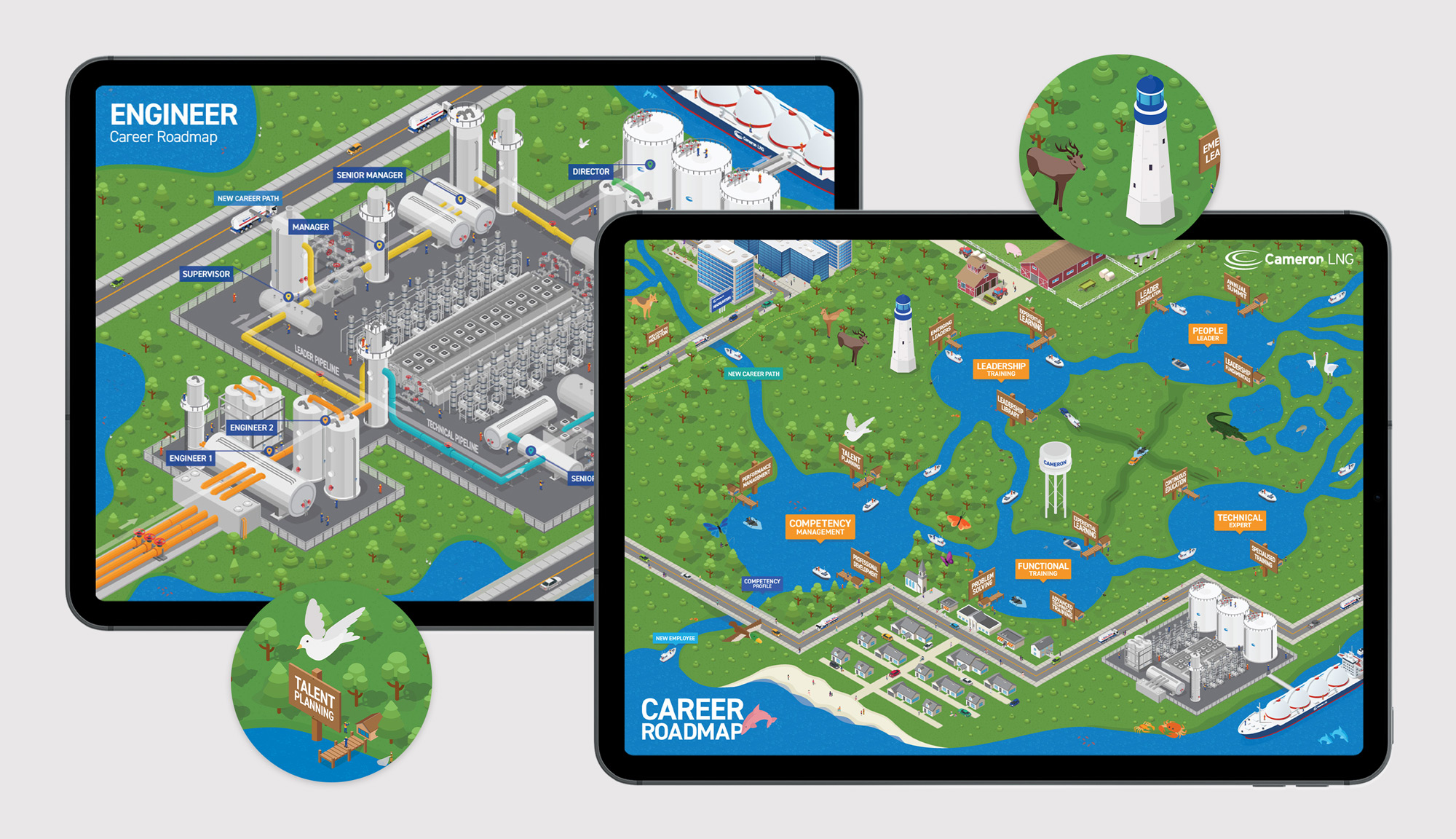
CameronLNG
LEGO
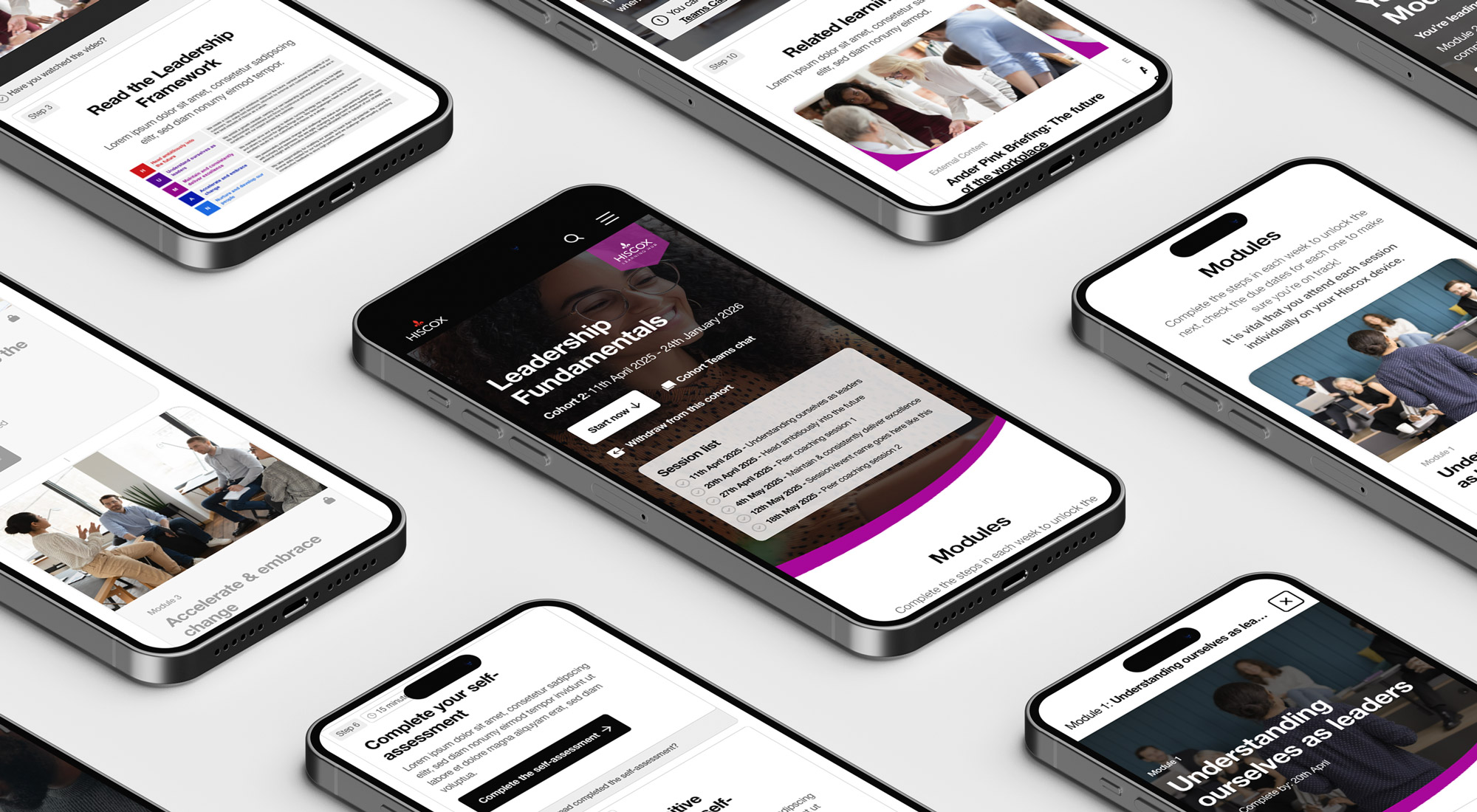
Hiscox
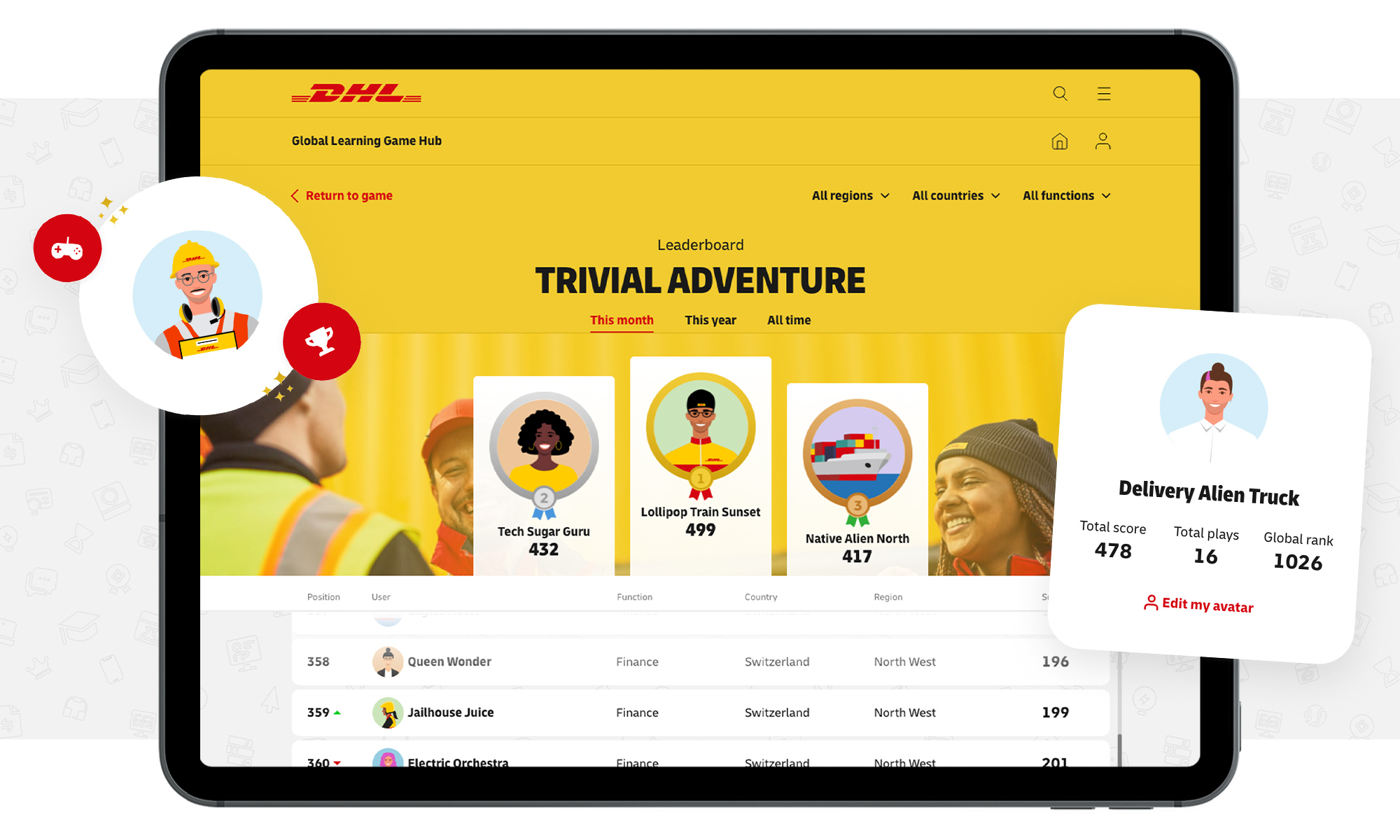
DHL
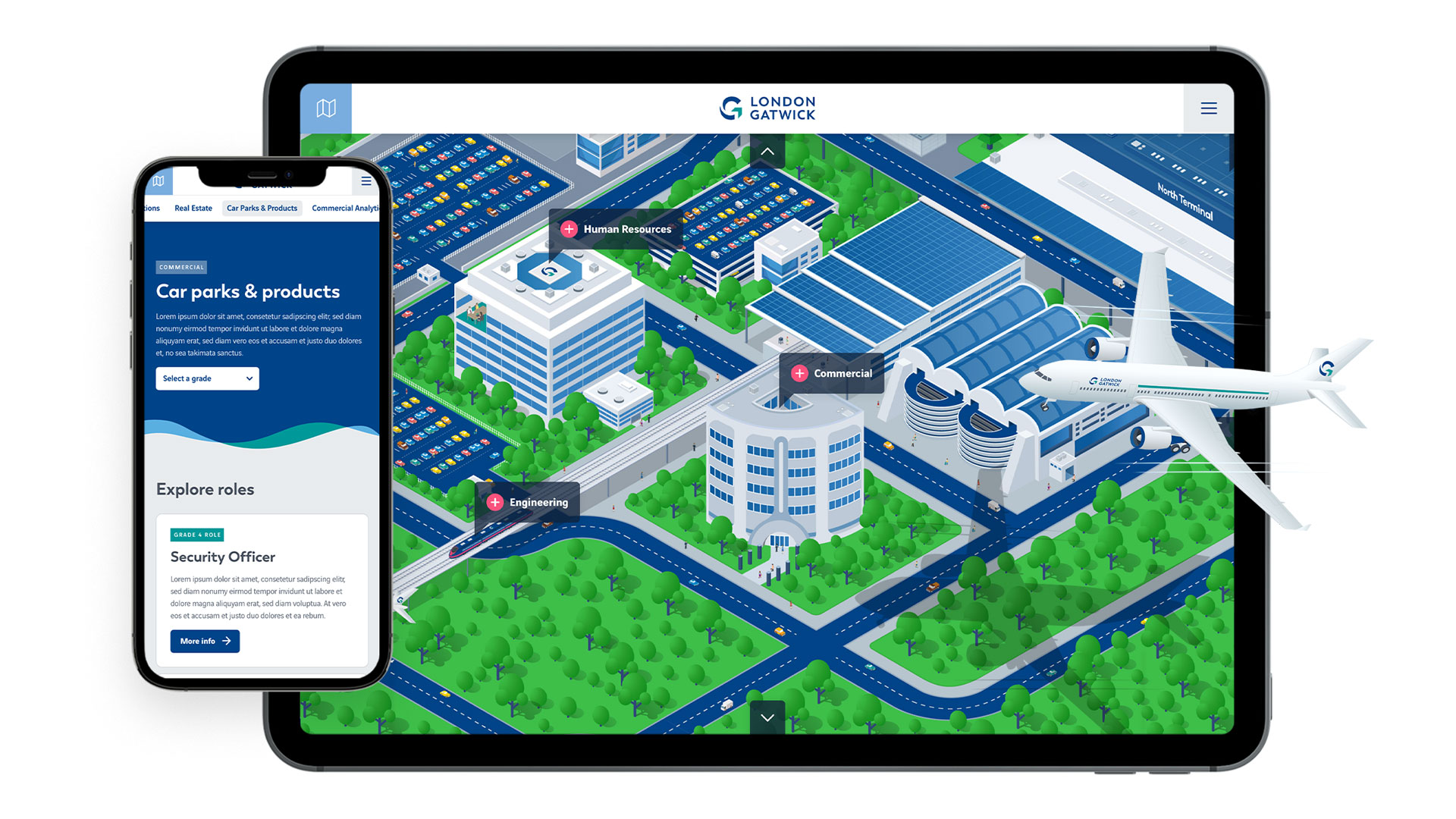
Gatwick
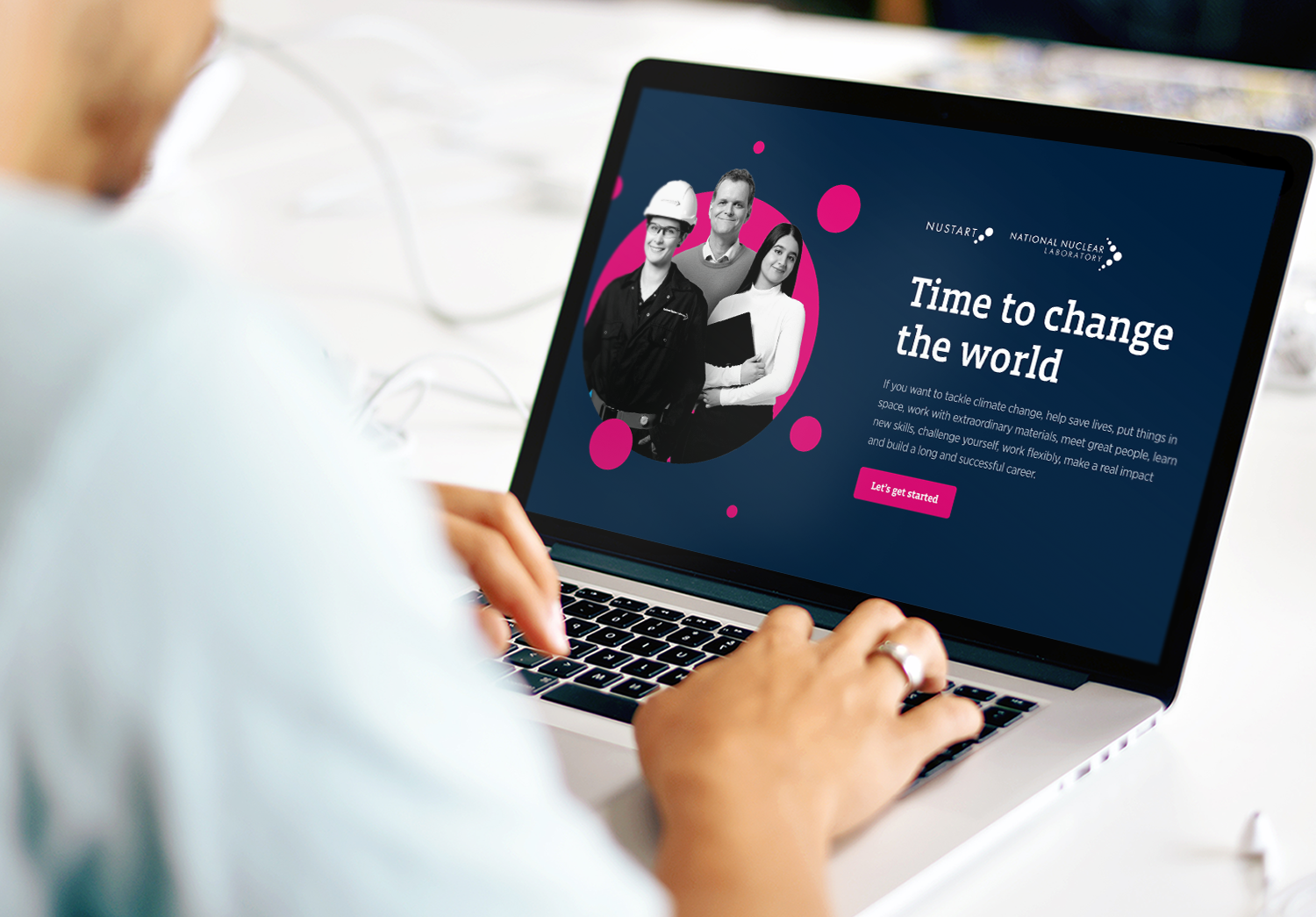
NNL
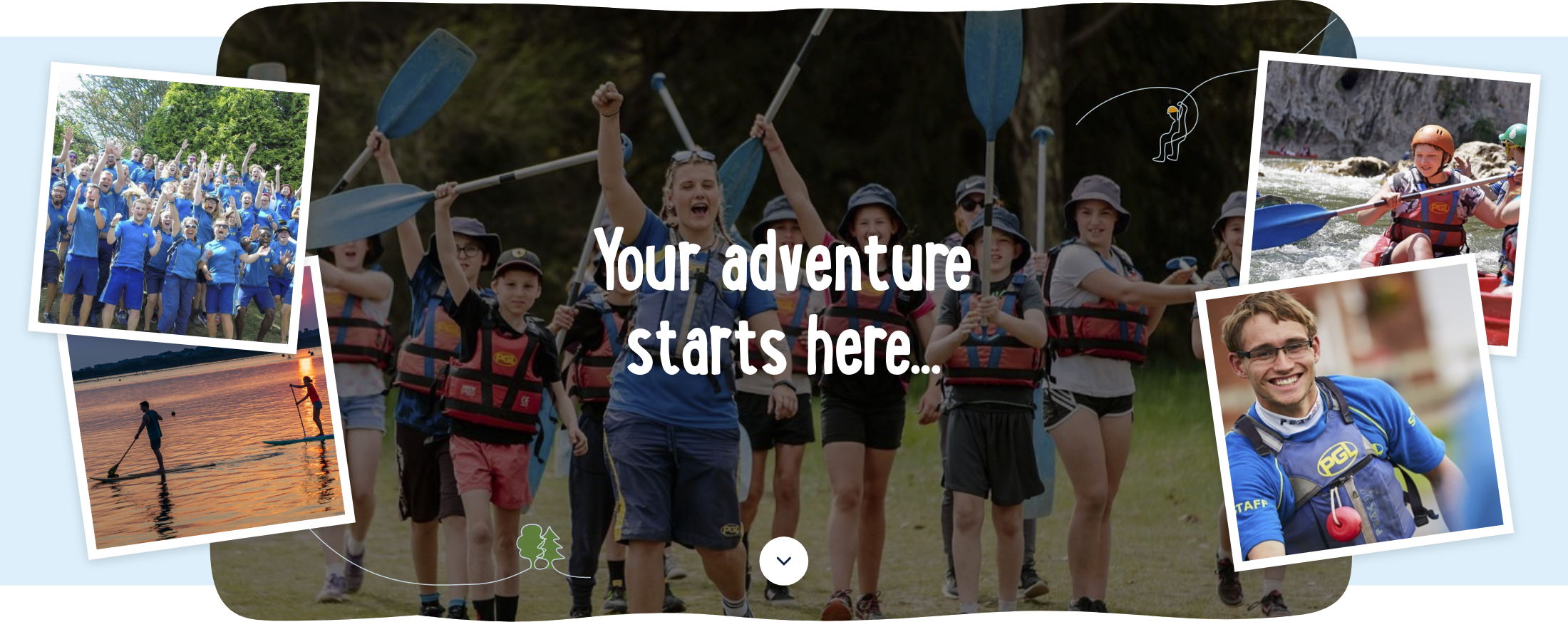
PGL
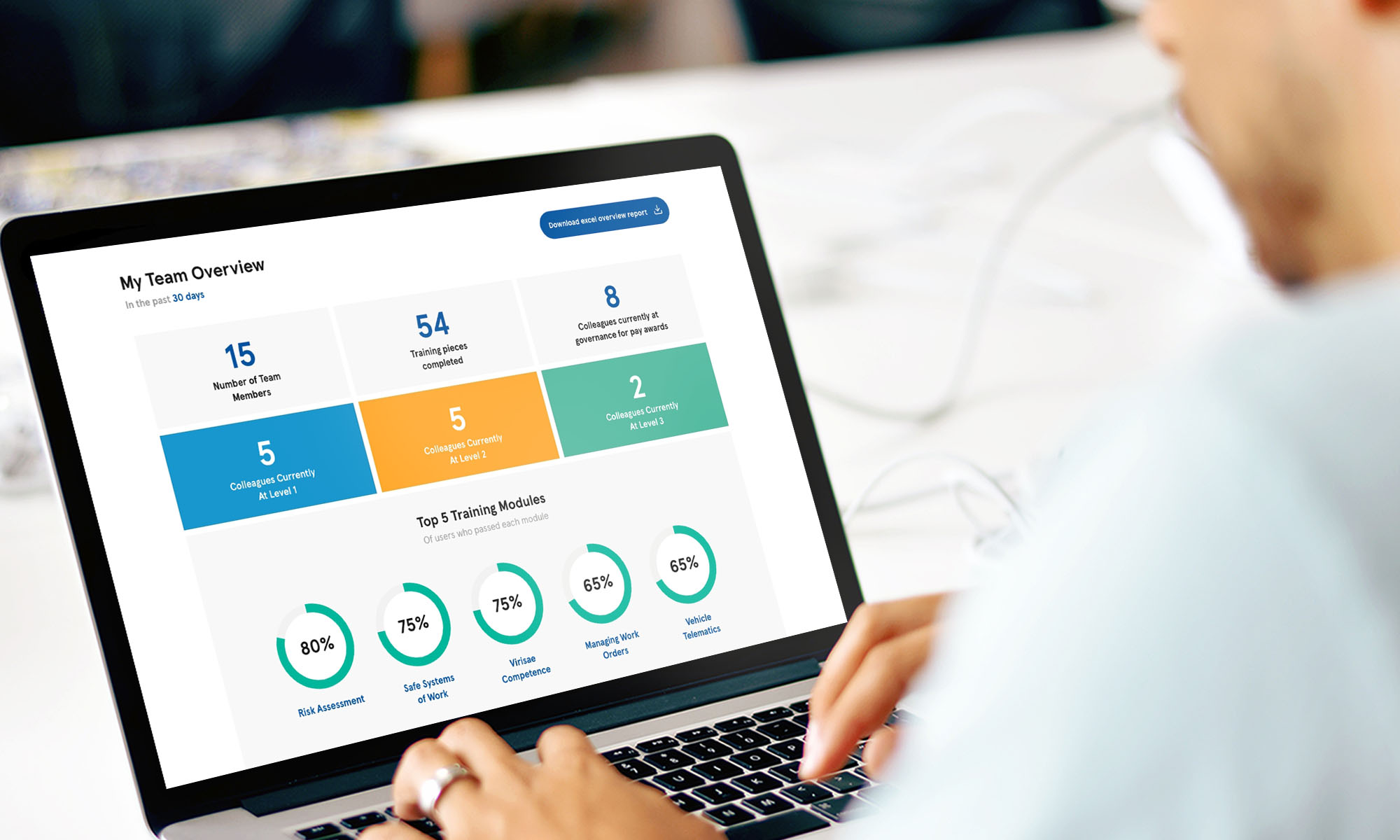
Tesco

Tesco

Tesco
Nomad Foods

Tesco

First Bus

Cognita
Cygnet

LW theatres

Cygnet
Amazon
ACG

MARS
DHL
Cygnet
Electrolux
Vorbi