
Software vendors promise revolutionary efficiency, automated workflows, and instant ROI.
Yet, beneath the glossy sales pitches, 71% of CIOs admit their workforce remains largely unprepared for AI. The reality of digital transformation is simple: we are licensing software far faster than we are enabling people.
Throwing cutting-edge tools at an unprepared team doesn’t trigger innovation. It creates friction and anxiety.
When a business drops new AI software into an organisation, who bears the brunt of execution? Middle management.
Leadership expects managers to champion AI integration, re-engineer team workflows, and maintain standards – without providing additional bandwidth, clear frameworks, or dedicated training.
The data highlights this disconnect: 75% of CHROs report their managers are severely overwhelmed by tech initiatives, and half lack confidence in their managers’ ability to guide employees through AI usage.
We are asking managers to steer a shift they haven’t been equipped to navigate themselves. When managers don’t know what “good” looks like, they can’t coach their teams, evaluate AI output, or ease employee fears of being replaced.
Software rollouts alone will never change human behaviour. Real digital transformation happens when you stop treating AI as an IT installation and start treating it as a psychological transition.
At Electric Circus, we build learning experiences rooted in behavioural science to help teams move from anxious adoption to genuine performance:
See how we created interactive, human-centred AI training for LEGO… here.
If you want your workforce to embrace the future of work, stop focusing solely on the software you’re buying, and start investing in the people using it.
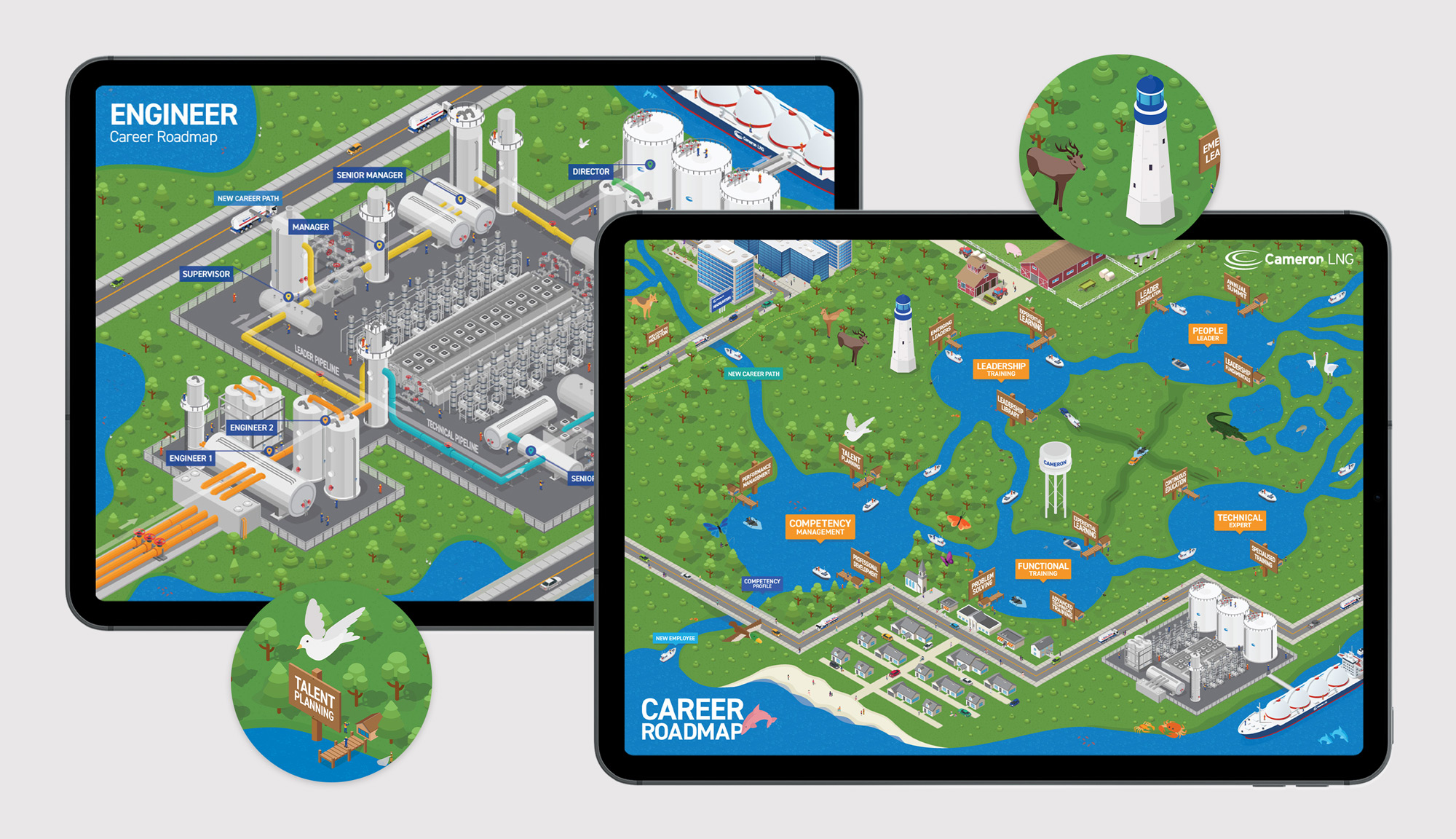
CameronLNG

LEGO

Hiscox
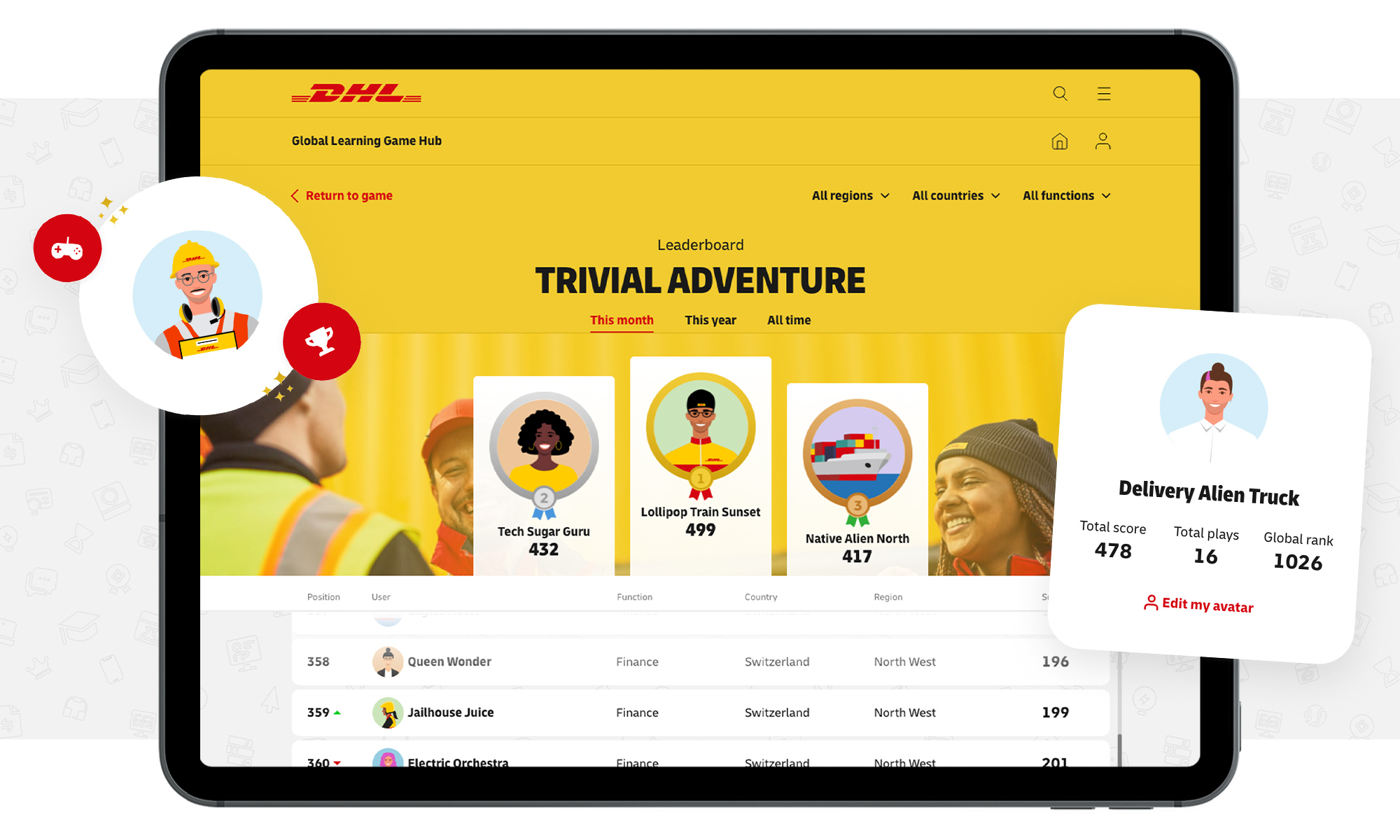
DHL
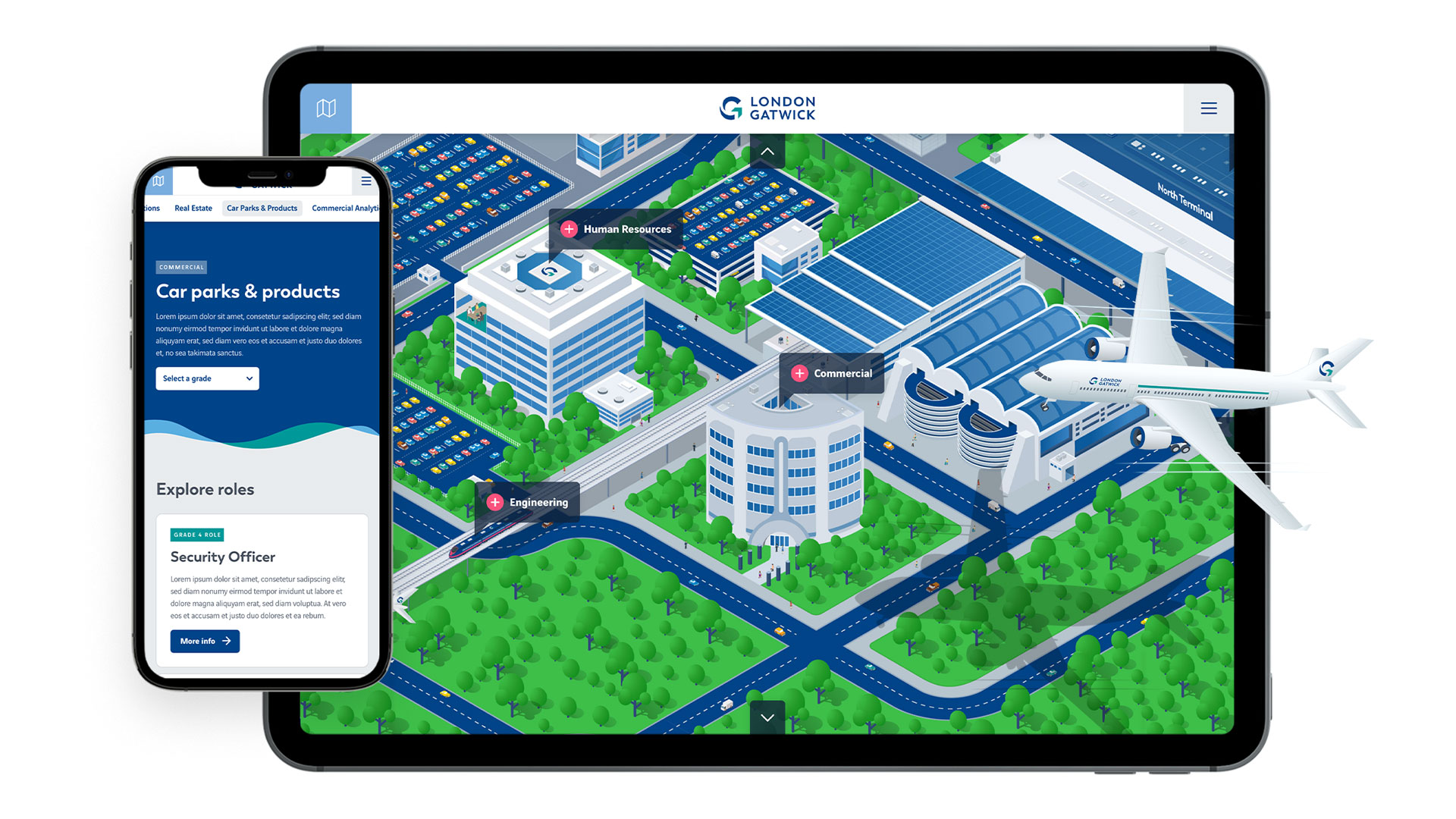
Gatwick
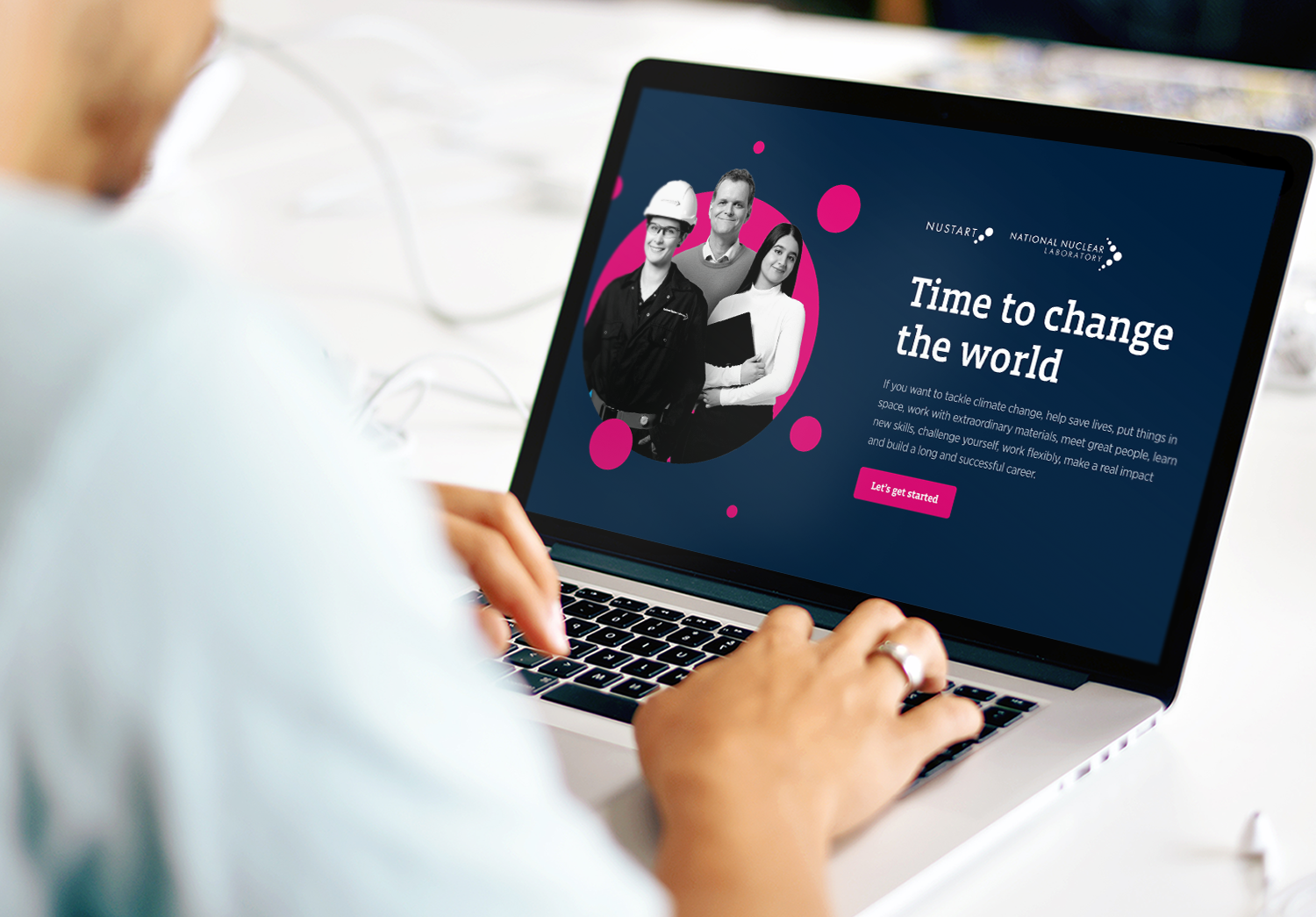
NNL

PGL
Tesco

Tesco

Tesco

Nomad Foods

Tesco

First Bus

Cognita
Cygnet

LW theatres

Cygnet
Amazon

ACG

MARS

DHL
Cygnet

Electrolux
Vorbi