
We’ve all been there – You need a project delivered, and before anything else, you need a cost. So your vendor puts together a budget based on what they know right now. Even as they’re estimating design days or development resource, they don’t have the full picture yet. But you need a number, so they do their best and hope it holds up.
Then the work starts, and the real requirements surface. Scope shifts and grows, and before long you’re in one of three familiar places: quietly going over budget, having awkward conversations about extra cost, or stripping back the scope to hit the original number. None of these are good outcomes. And they all feel like a failure of planning, even though the real problem happened right at the start, when someone priced something they didn’t fully understand yet.
Good budget planning doesn’t start with a more accurate guess. It starts with your vendor being realistic, with themselves and with you, about how much they actually know at the point of quoting.
You should still get a price up front. But the honest version comes with it: this is based on the information available today, here are the gaps in the picture, and here’s the plan to fill them. That plan is a proper discovery phase, designed to surface the things that aren’t visible yet. The real objective behind the project. Your audience and what they actually need. The constraints, the dependencies, the assumptions hiding underneath the brief.
Once discovery is done, nobody’s guessing anymore. There’s a proper scope of work to estimate against. The budget gets more accurate, and far more likely to reflect the work ahead.
This is the part that matters most. When a vendor is upfront about the gaps from the start, and you’re brought into the discovery process before a single estimate is finalised, the conversations that follow later aren’t awkward.
When discovery refines the scope and the budget moves with it, that’s not backtracking or a vendor asking for more money out of nowhere. It’s the process working exactly as promised. What might have felt like a difficult conversation becomes a demonstration of expertise and clear communication, which is exactly what you want from a delivery partner.
Even with a strong discovery phase, budgeting isn’t a one-and-done exercise, and it shouldn’t try to be. Scope changes. New requirements emerge. If things are set up properly, that’s not a problem, it’s expected.
Say you’re mid-project and the team lands on an idea that would genuinely help meet the goals uncovered in discovery. A good partner won’t quietly absorb it into scope, and won’t ignore it either. They’ll bring it to you, explain how it serves the objective, lay out the cost, and let you make the call. Because you already understand budgeting as a living conversation tied to outcomes, it doesn’t land as an upsell. It lands as expertise.
If you take one thing from this, it’s that good budget planning isn’t about getting one number right and defending it to the death. It’s about flexibility, and about honesty, from your vendor, about what they know and what they don’t.
When you’re evaluating a delivery partner, look for this: are they clear about what a first number is actually based on? Do they have a real discovery process, not just a sales conversation dressed up as one? And when scope changes mid-project, do you hear about it as it happens, or find out at the end?
Get that right, and budgeting stops being a source of awkward conversations. It becomes one more thing that shows you’re in good hands.
We bridge the gap between workplace tech and the intuitive digital experiences employees love – driving engagement, skills growth, and measurable business impact.
Think we can help you?
LEGO
Hiscox
DHL
Gatwick

NNL

PGL
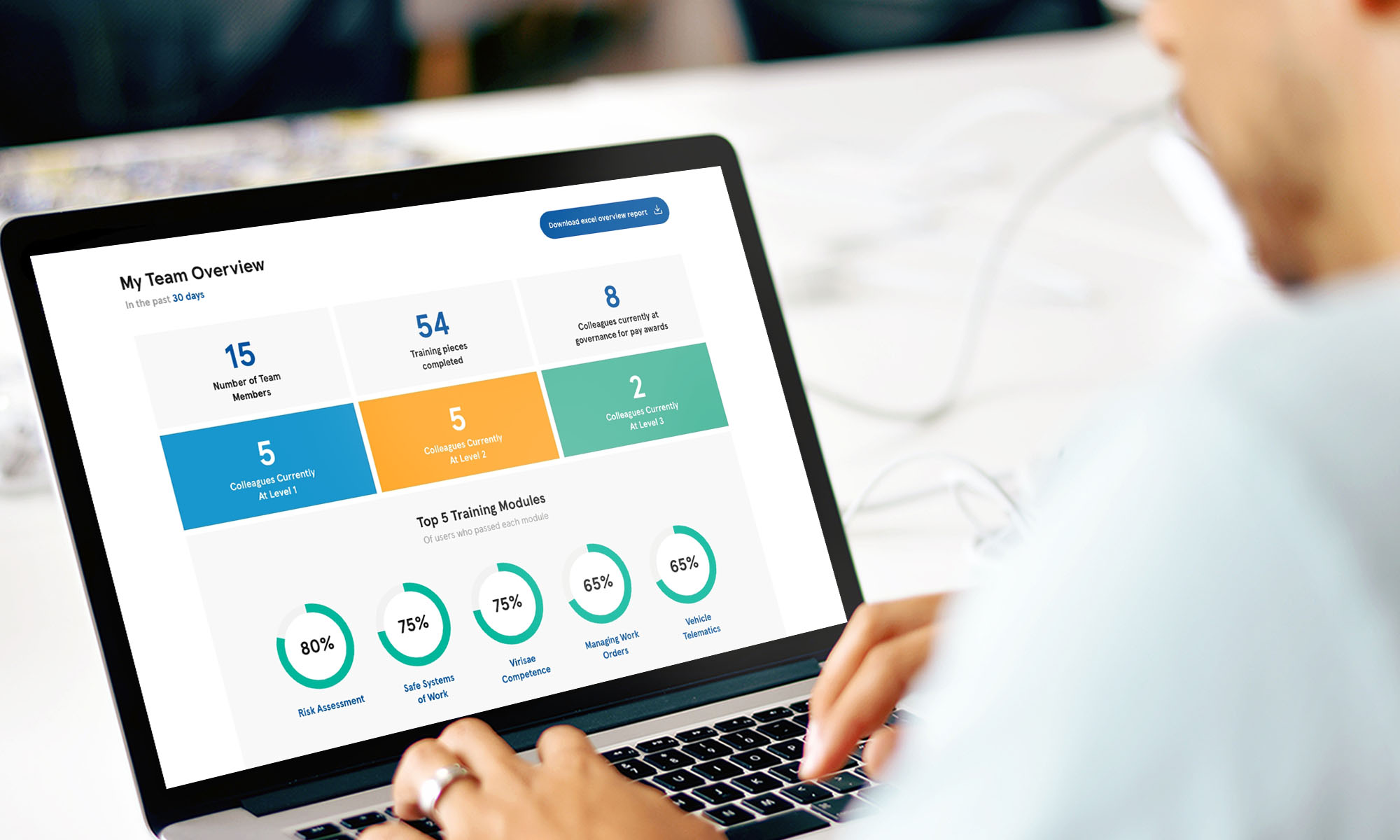
Tesco

Tesco

Tesco
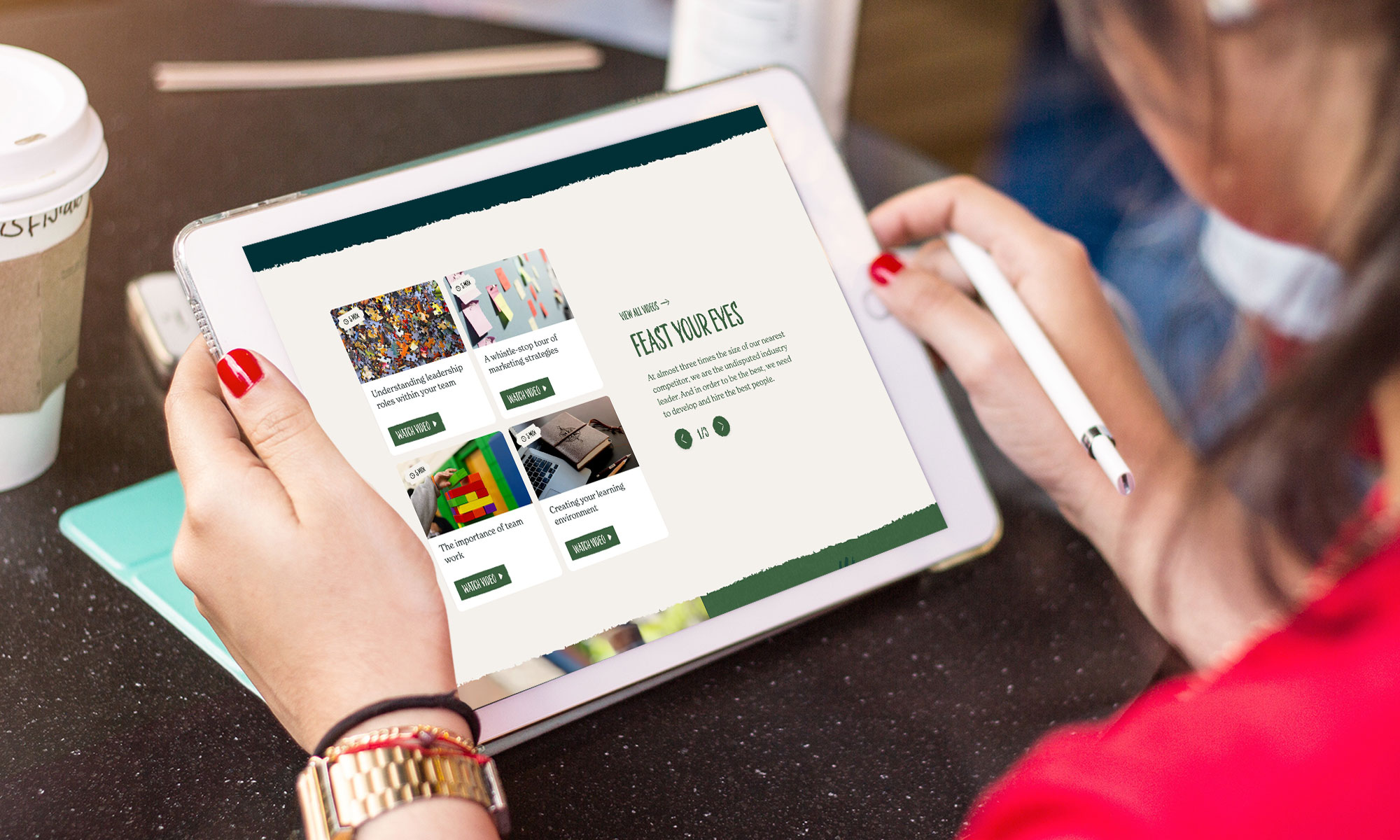
Nomad Foods

Tesco

First Bus

Cognita

Cygnet
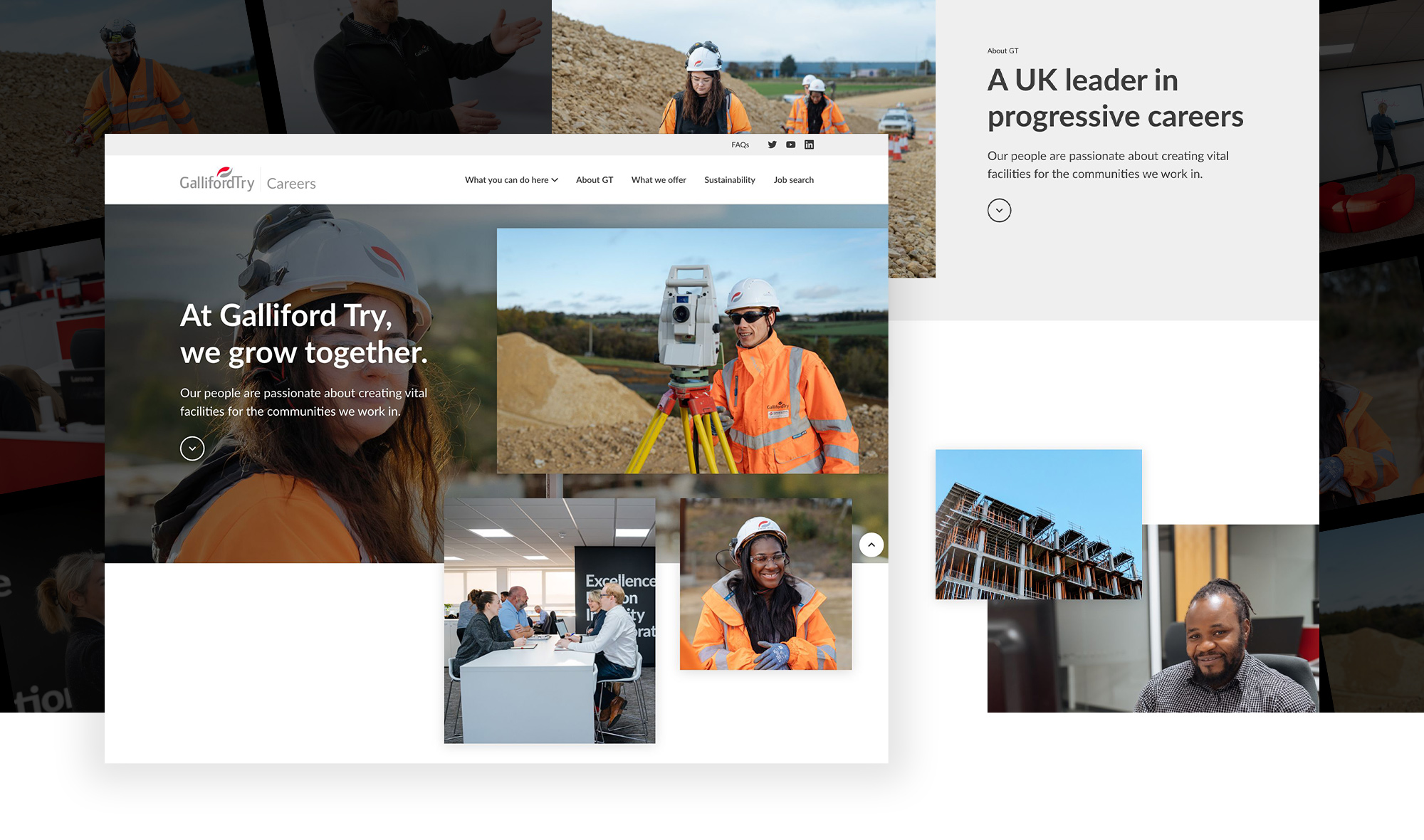
Galliford Try

LW theatres

Cygnet
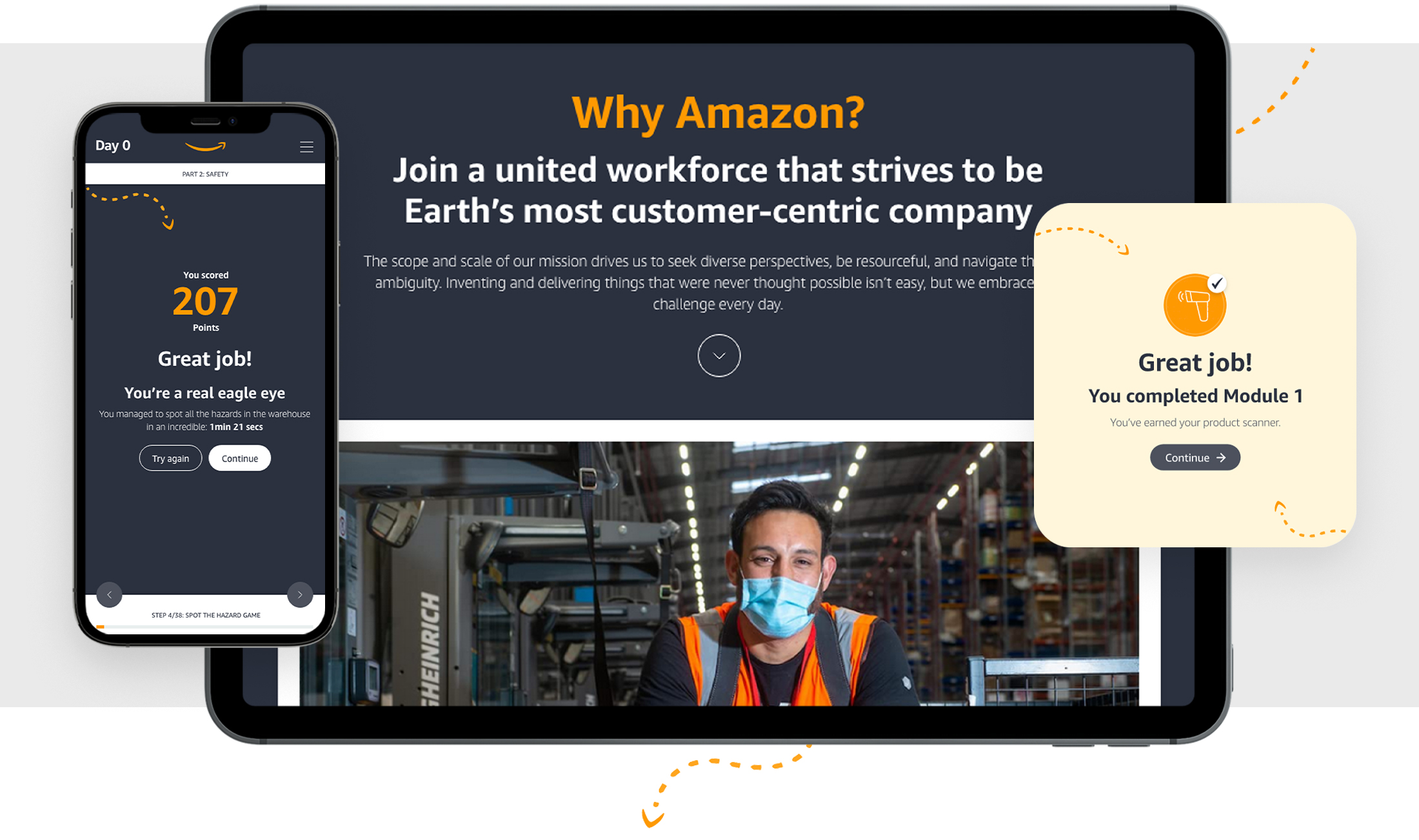
Amazon

ACG

MARS

DHL
Cygnet
Electrolux
Vorbi