

Employee Experience

For much of the twentieth century, careers were imagined as ladders.
You joined a company, stayed long enough to prove yourself, and steadily climbed rung by rung until you reached a senior position.
It was a simple model that offered predictability, stability, and a clear measure of success.
But the ladder has become an outdated metaphor for modern work.
Organisations are transforming faster than ever, new technologies are reshaping roles every few years, and employees increasingly expect variety and purpose rather than a straight upward climb.
For HR leaders, this creates tension. On the one hand, frameworks built on ladders feel safe and easy to explain. On the other, employees complain that they are “stuck” or that the only way to grow is to leave.
Managers struggle to retain ambitious talent, succession pipelines stall, and critical vacancies multiply.
The truth is, the ladder no longer reflects reality.
To thrive in the modern workforce, organisations need to embrace a more flexible, more human way of thinking about careers.

One reason the ladder persists is because of the myths that surround career development. These myths are rarely questioned, yet they quietly hold organisations back.
The first myth is that careers should only move upwards.
In practice, some of the most valuable development comes from lateral moves – stepping into an adjacent role, taking on a cross-functional project, or spending time in a different geography.
These experiences broaden perspective, build new skills, and often accelerate long-term leadership potential.
The second myth is that non-linear careers signal a lack of ambition.
In fact, it is often the opposite.
Employees who make zig-zag moves accumulate a richer mix of experiences, giving them the adaptability to take on bigger challenges later.
The third myth is that squiggly careers are chaotic.
For many leaders who grew up on ladders, the idea of people moving sideways or diagonally feels like losing control.
Yet with the right frameworks, non-linear careers are anything but chaotic. Career lattices and maps provide direction, transparency, and clear connections to business needs.
What they remove is rigidity – and that is exactly what modern organisations need to compete.
The phrase “squiggly career,” popularised by authors Helen Tupper and Sarah Ellis, captures the lived reality of most modern professionals.
Rather than climbing a single vertical line, careers zig and zag. People try out different roles, sometimes move industries, and increasingly build skills in multiple domains at once.
There are many ways this plays out.
Some organisations design career lattices, where employees can move horizontally or diagonally rather than only upwards.
Others encourage portfolio careers, where people combine internal roles with project work or secondments.
Professionals themselves are increasingly described by “shapes”: T-shaped (deep expertise in one area supported by broad collaboration skills), Pi-shaped (dual areas of expertise), or Comb-shaped (several specialisms built over time).
The point is that careers today are about building a blend of skills and experiences. Success is no longer defined only by job titles or the number of rungs climbed.

It is tempting to view squiggly careers as purely an employee preference. In reality, they offer tangible benefits for organisations as well.
Retention is the most obvious. LinkedIn’s data shows that employees who make an internal move within their first two years have a 75% chance of still being with the company, compared with just 56% for those who stay in the same role.
Engagement is another major factor. People who change roles internally are 3.5 times more engaged than those who don’t – and engagement is directly tied to productivity, profitability, and customer satisfaction.
Agility is equally important. When employees are able to move into new areas of the business, organisations can redeploy talent quickly as priorities shift.
In a world where technology evolves rapidly and strategies must pivot, this flexibility is essential.
Non-linear careers also support diversity. By broadening what “progression” looks like, organisations remove some of the structural barriers that keep underrepresented groups out of leadership pipelines.
Some of the best-known organisations have already put these ideas into practice.
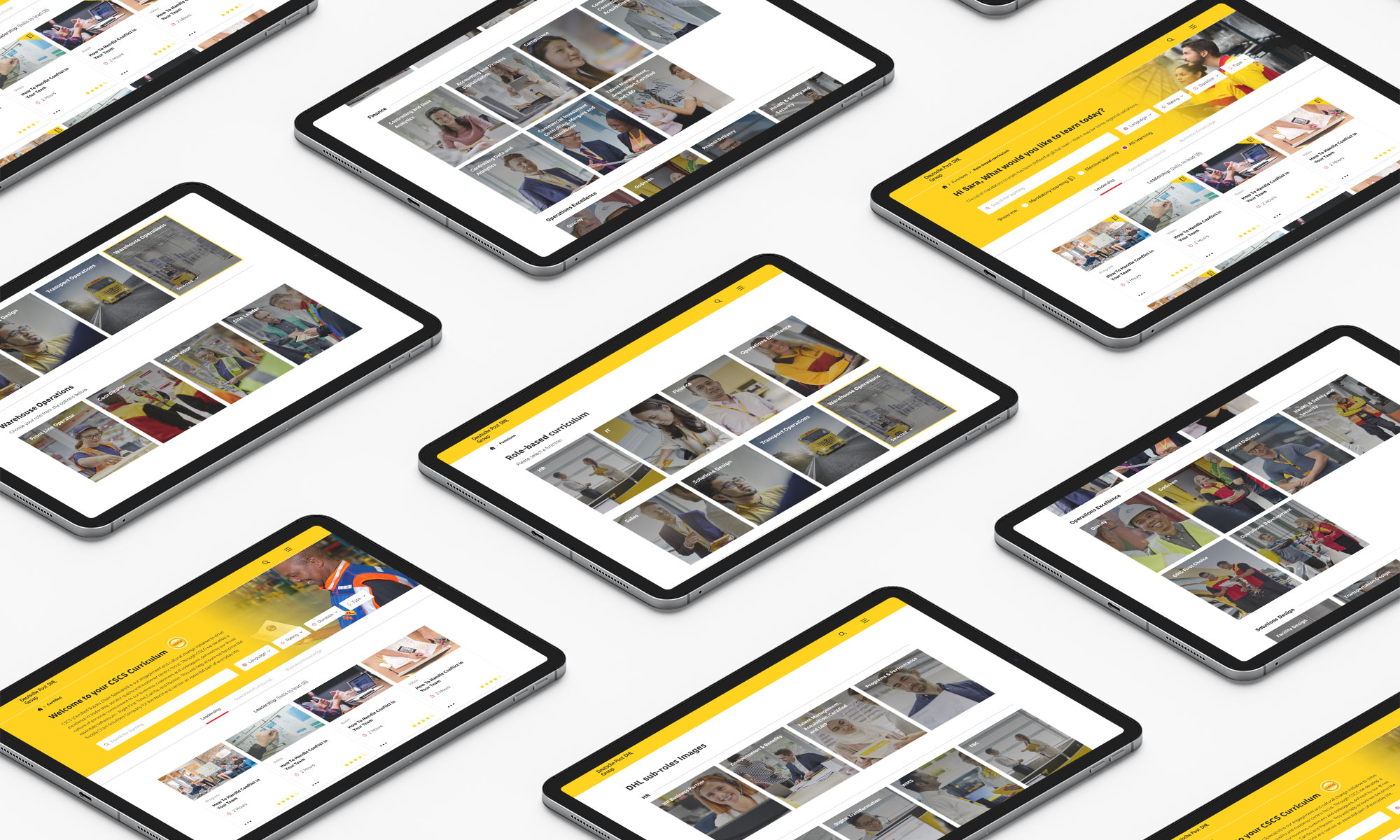
DHL, for example, built an AI-powered career marketplace that recommends internal roles and projects based on employees’ skills and interests.
Their stated aim was to make it easier for people to move internally than to look outside the company. The outcome was not only lower recruitment costs but also stronger visibility of hidden talent across their global workforce.
Unilever offers another model. Its internal talent marketplace helps redeploy staff into “future-fit” roles that align with both organisational needs and personal aspirations. This system has allowed the company to meet emerging challenges without relying entirely on external hiring.
Closer to home, UK apprenticeship and rotational programmes illustrate the same principle. By deliberately moving people across departments, they build stronger all-rounders who understand multiple parts of the business.
Increasingly, organisations are adapting this approach for mid-career staff, recognising that lateral moves are valuable at every stage of a career.
The message from these examples is clear: when organisations support squiggly careers, the result is higher retention, faster development, and a more agile workforce.

The challenge for HR is not whether to support non-linear careers, but how. Fortunately, there are clear design principles that make it possible.
Start by mapping multiple routes.
Employees need to see that progression is not limited to upward promotions. Pathways should show horizontal opportunities, cross-functional projects, and short-term assignments as valid options.
Next, focus on skills rather than titles. Job descriptions may change, but skills endure. By anchoring pathways in skills, organisations create frameworks that are adaptable and future-proof.
Managers must also be brought into the process. Too often they act as gatekeepers, reluctant to let go of good people. With training and support, they can become career coaches who celebrate mobility as a win for the whole organisation.
Finally, opportunities must be visible. Whether through an internal marketplace or interactive career maps, employees should be able to see the possibilities open to them.
If careers are no longer ladders, how do organisations measure progress? The answer is to look beyond promotions.
Internal mobility rates are a powerful indicator of whether employees are actually moving. Tracking the number of lateral or diagonal moves shows whether pathways are working in practice.
Engagement scores among employees who move internally provide another lens, as these individuals are often more satisfied and productive.
Retention of high-potential employees is perhaps the ultimate measure – if they stay longer because they can see diverse opportunities, the investment is paying off.
Finally, organisations can track the skills their workforce acquires, showing progress in capability rather than just hierarchy.

Scepticism is natural. Leaders who grew up climbing ladders often struggle to imagine a different model. But the data makes the case: internal mobility drives retention, engagement, and financial performance.
Another concern is that employees won’t know what success looks like without traditional titles. Here, communication matters. Success should be reframed around skill development, contribution, and growth. For many employees, that is more motivating than chasing a single job title.
Fairness is another worry. To avoid bias, pathways must be transparent, with clear criteria for progression. Data can help monitor who is accessing opportunities and highlight gaps. With this transparency, squiggly careers can be both flexible and equitable.
Isn’t a squiggly career just another word for job-hopping?
Not at all. Job-hopping implies leaving an organisation for growth. Squiggly careers are about creating diverse opportunities within the organisation so people don’t need to leave to progress.
How do we convince leaders who grew up with ladders?
Show them the data. Employees who make internal moves are more engaged and stay longer. Non-linear careers are about building stronger, more adaptable leaders.
How do employees know what “success” looks like without traditional titles?
Success shifts from purely hierarchical promotions to a mix of skills gained, contributions made, and opportunities taken. Career maps and transparent pathways make these milestones clear.
Won’t this create chaos if everyone is moving around?
Quite the opposite. Structured pathways and internal marketplaces provide visibility and coordination, so mobility is intentional and aligned with business needs, not random.
What if budgets are tight?
Start small. Map pathways in a few critical roles, make opportunities visible, and use existing training resources. The cultural shift often delivers more impact than big new investments.
How do we ensure fairness and inclusion?
Transparency is key. When everyone can see the same pathways and criteria, and managers are trained to support equitably, access to opportunities becomes fairer and more inclusive.
The career ladder was right for a time, but it now limits ambition more than it inspires it. Employees want variety, organisations need agility, and both benefit when careers are allowed to be squiggly, not straight.
For HR leaders, this is a chance to move from rigid frameworks to experiences that truly connect. By designing pathways that reflect reality, organisations can retain talent, close skills gaps, and build a workforce ready for whatever comes next.
Book your discovery session to discuss how we can help you take these concepts and level up your internal career offerings.
Tesco

Tesco
Tesco

Nomad Foods

Tesco

First Bus

Cognita
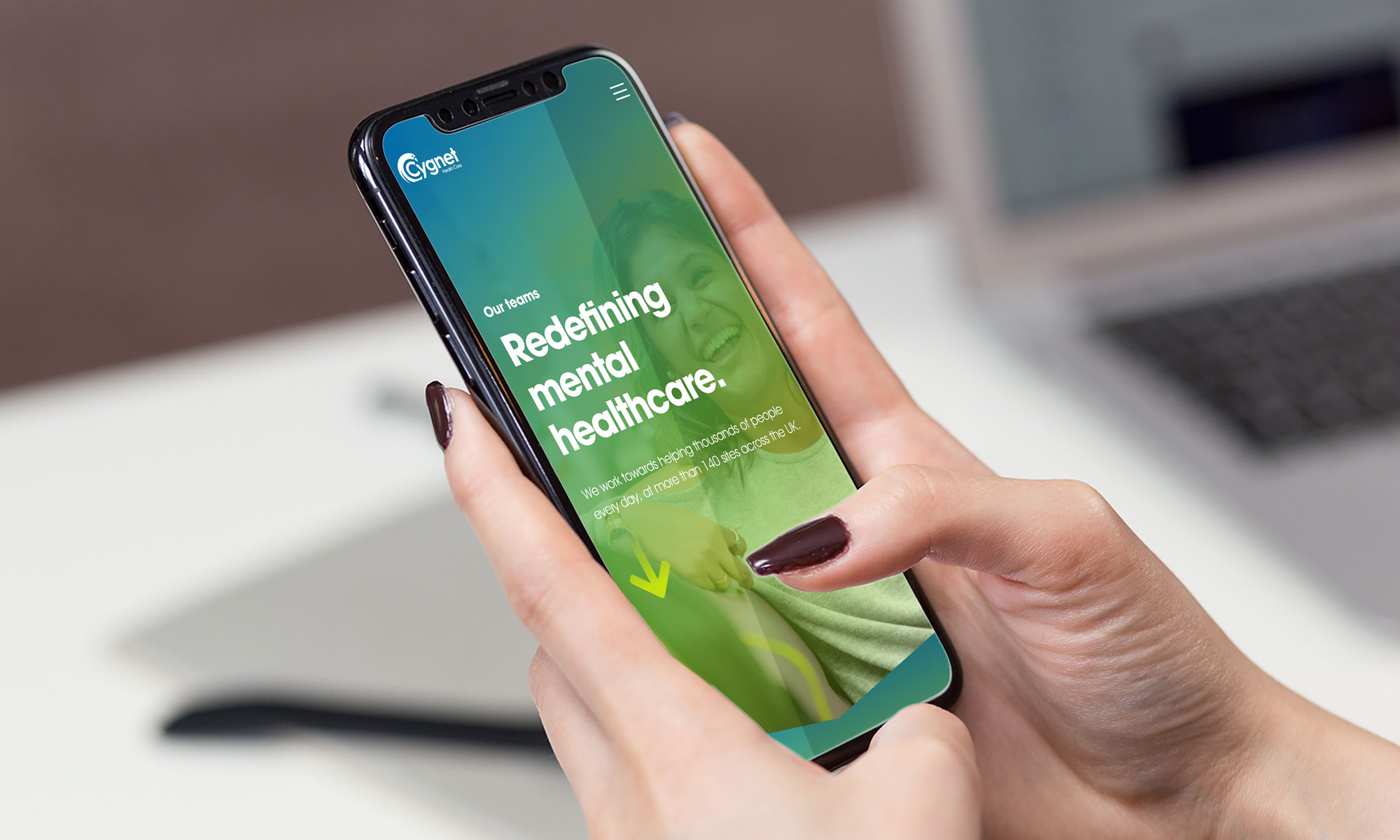
Cygnet
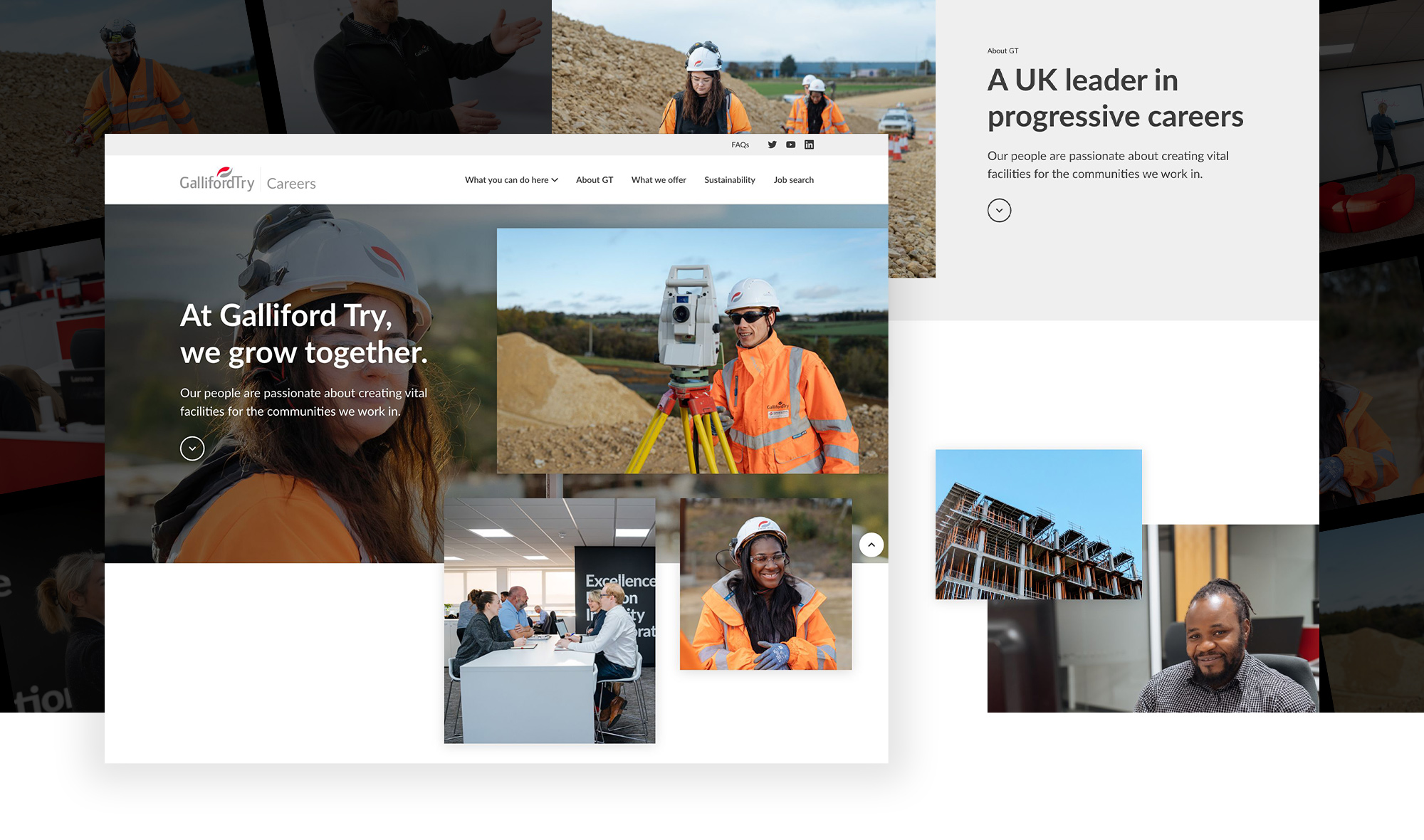
Galliford Try

LW theatres
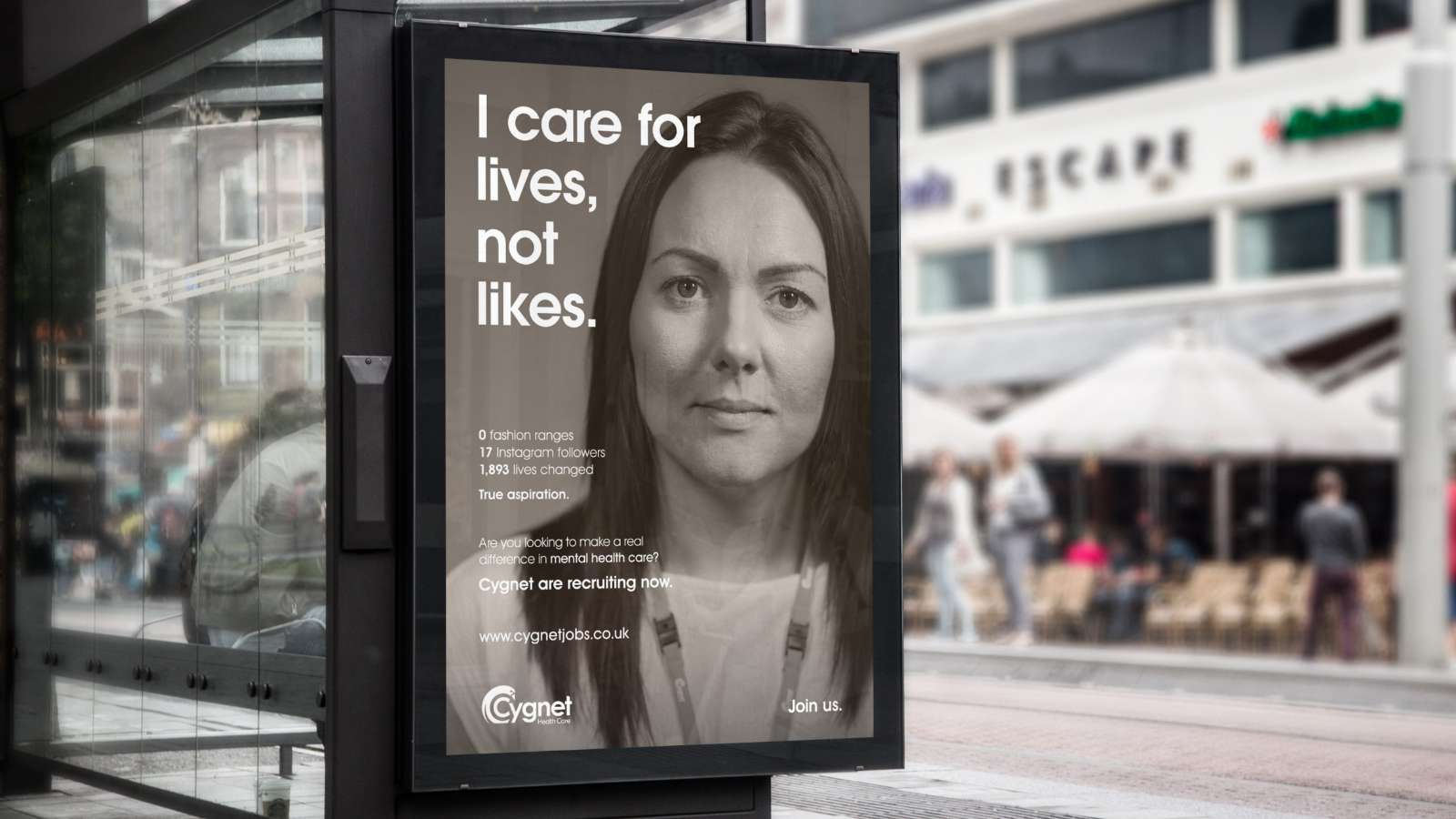
Cygnet
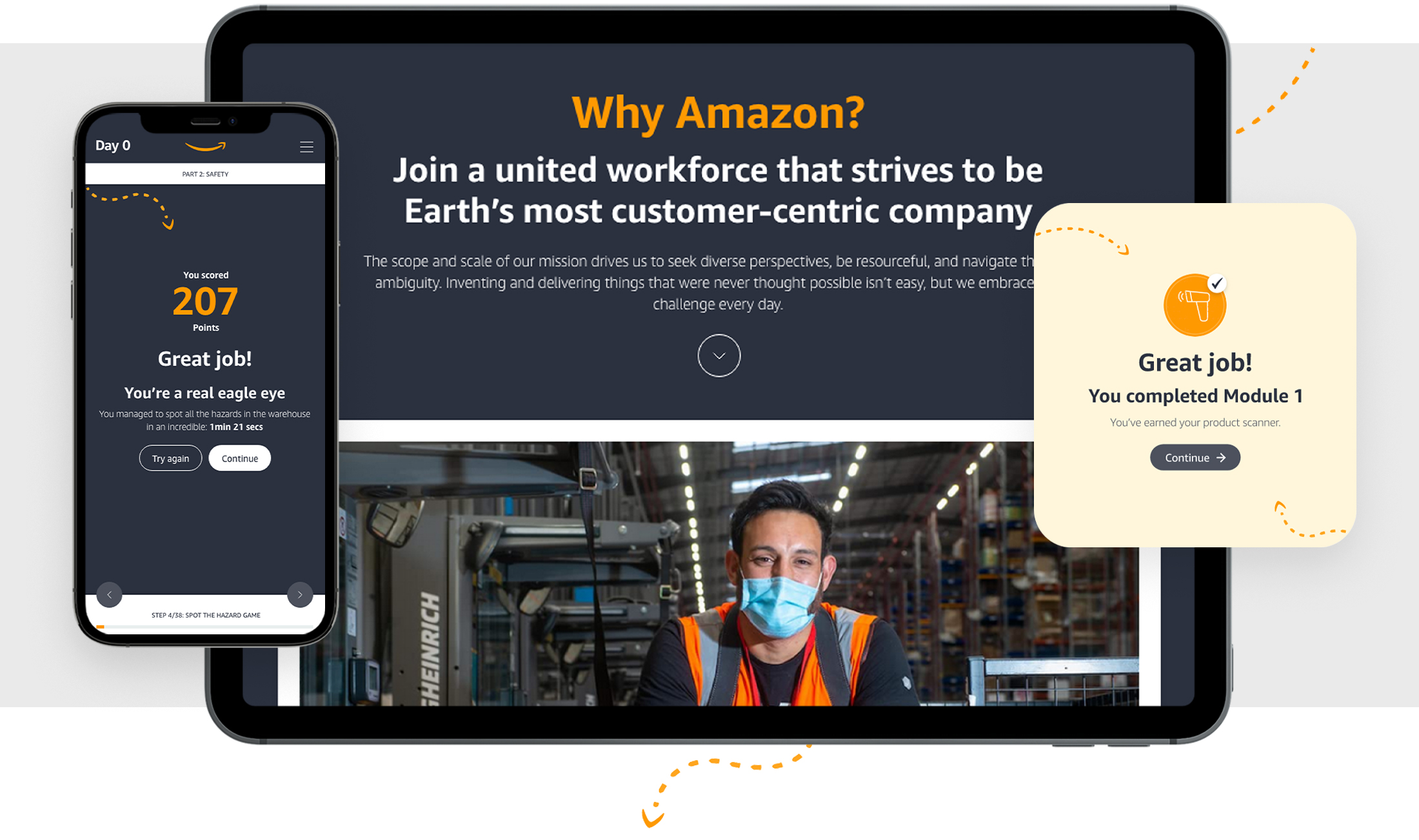
Amazon
ACG

MARS
DHL
Cygnet
Electrolux
Vorbi